Life in Paper
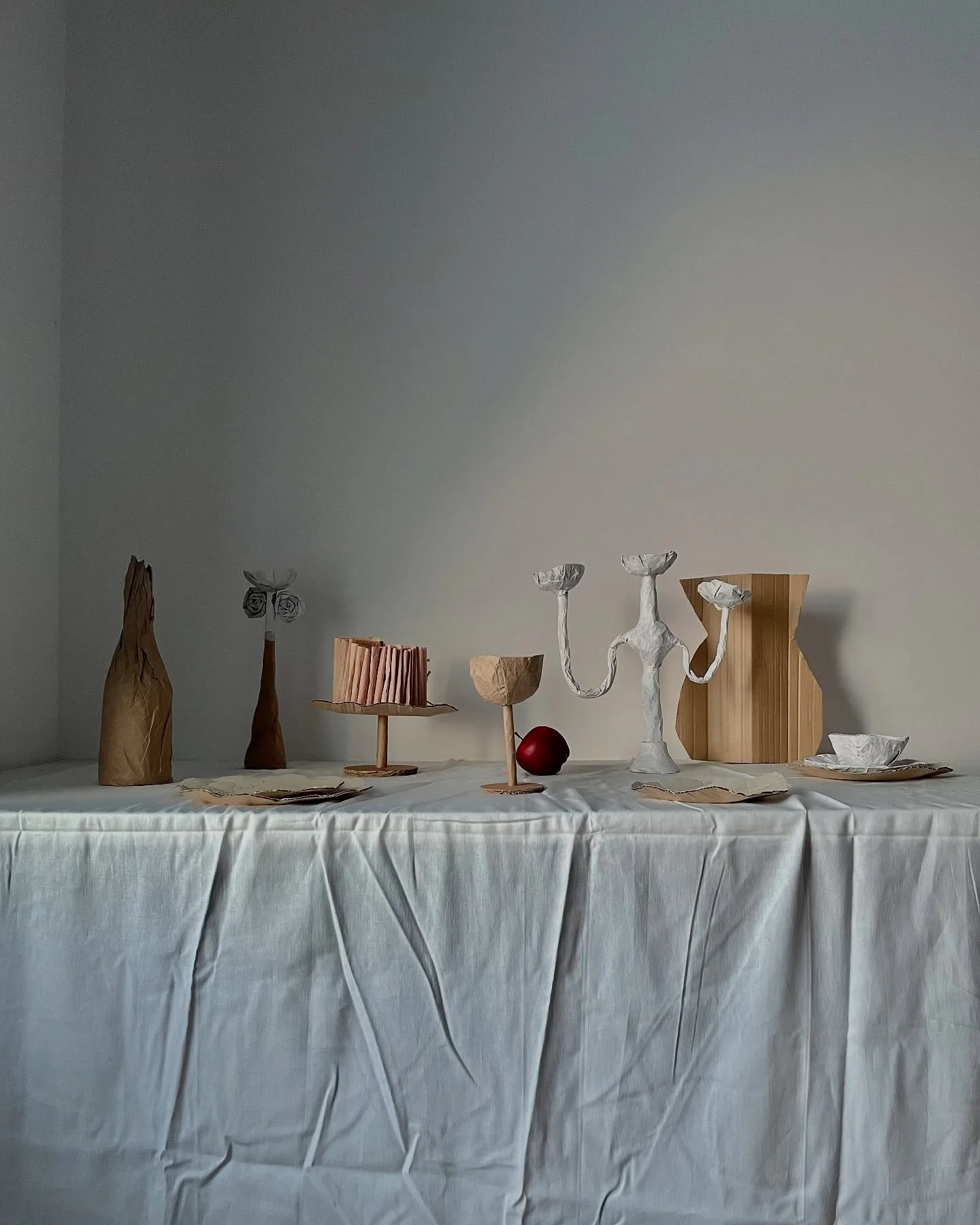
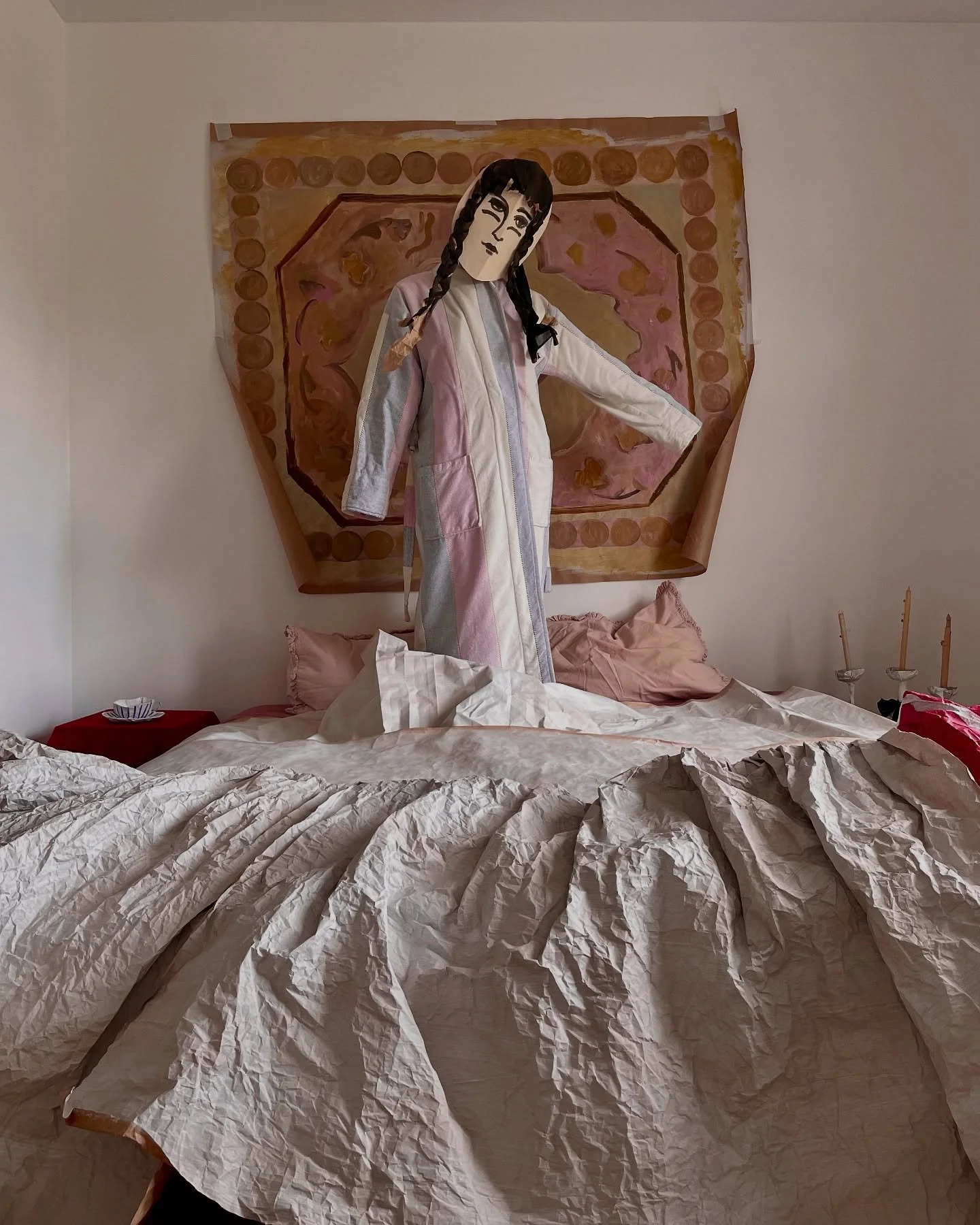
Mydollmallu’s practice begins with one of the most elemental materials: paper. A surface for first thoughts, binding agreements, artistic gestures, and imagined worlds, paper is both ordinary and endlessly transformative. Working entirely by hand, Mydollmallu pushes the material beyond its familiar limits, constructing intricate environments that feel at once delicate, theatrical, and fully alive.
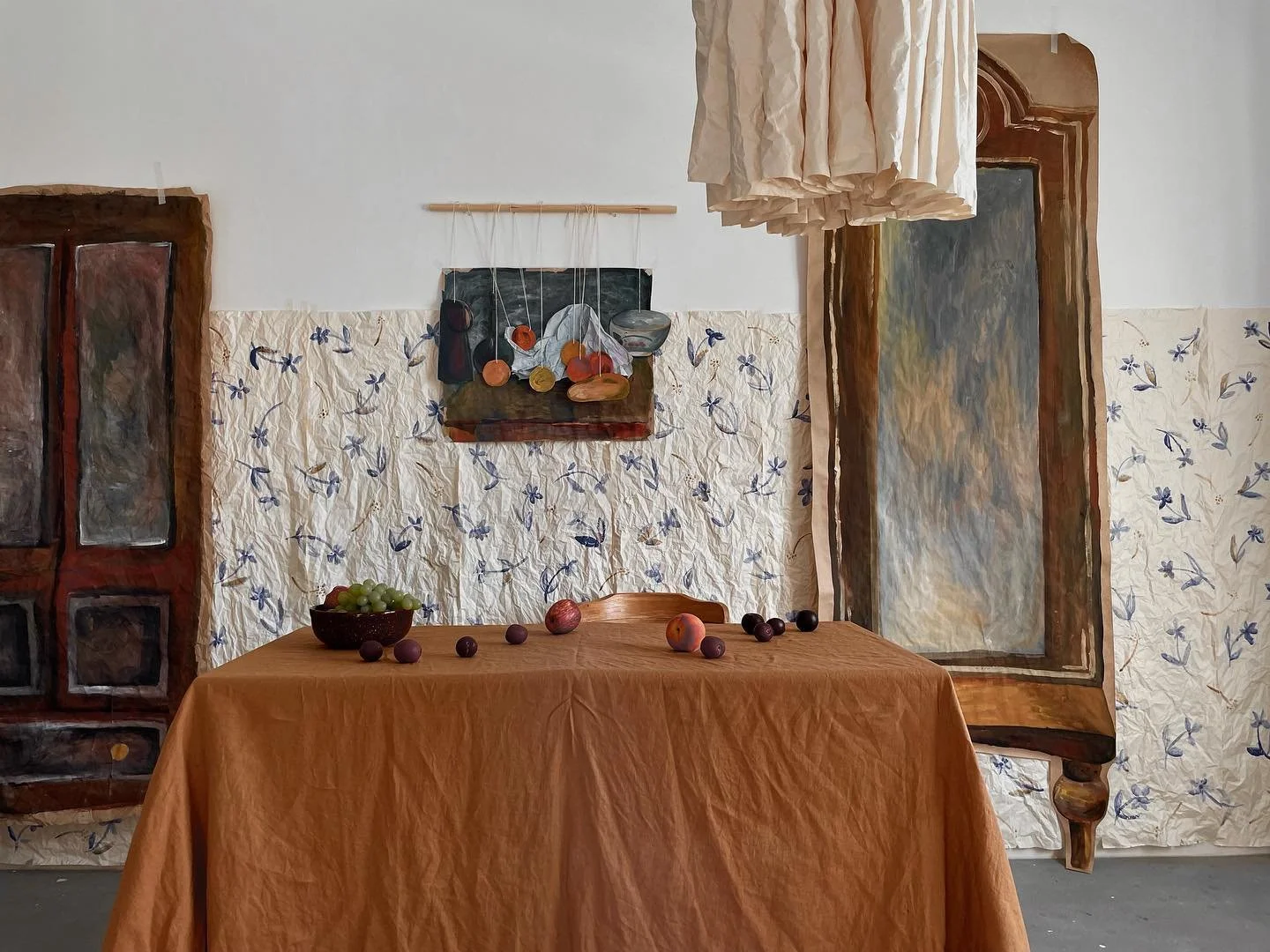
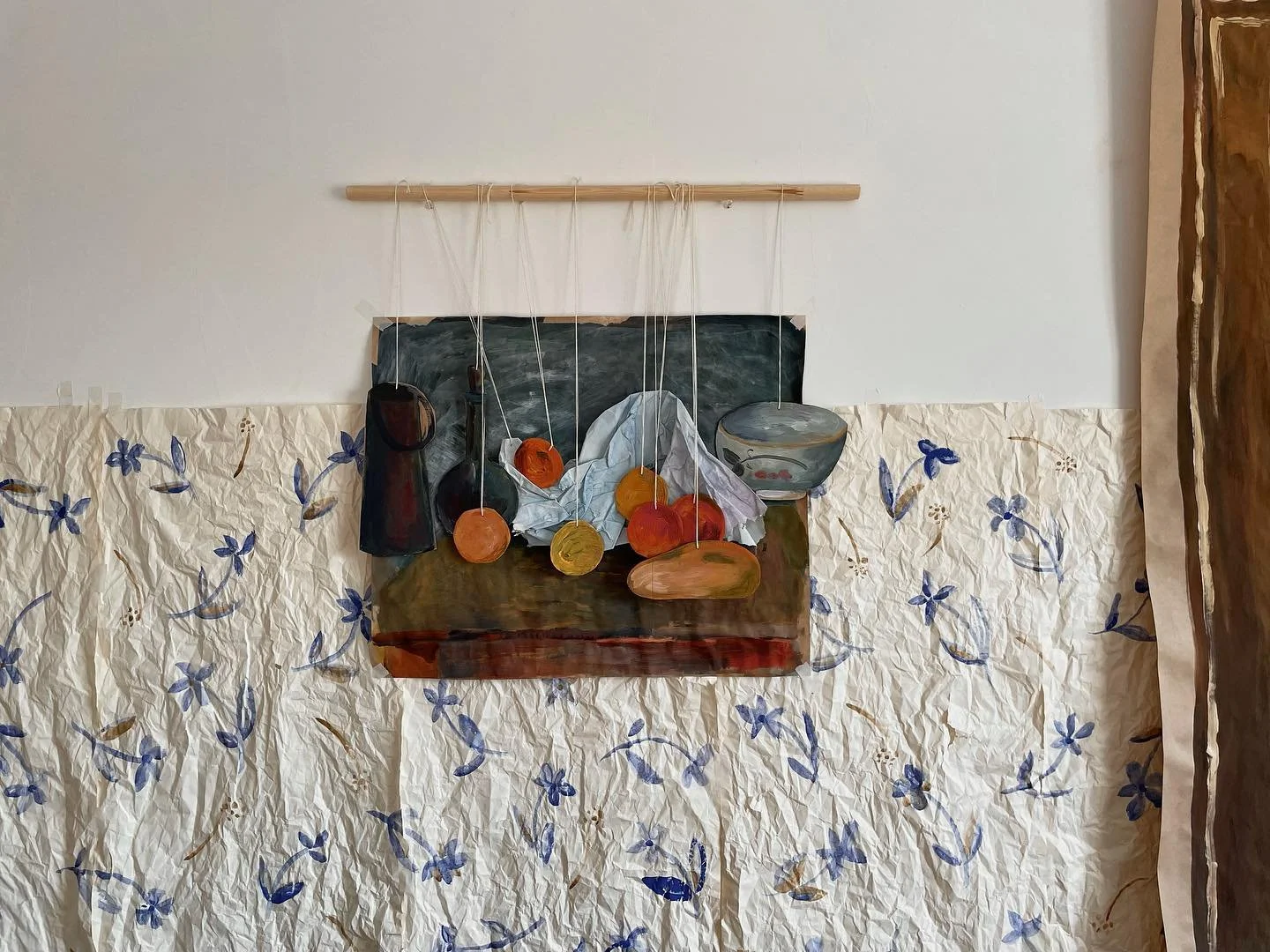
In this sense, her work embodies the spirit of Back to Basics: returning to something simple in order to create extraordinary worlds.
We The Cool: How did your journey into paper scenography begin?
Alla Mydollmallu: This may sound surprising, but my paper story began with an unexpected order from a subscriber. She suggested I make some holiday decorations for her little daughter's birthday. It was inspired by one of the stories in Pippi Longstocking. And I said, "Why not? Let's do it." That was my first encounter with this material and the possibilities of paper. I'm grateful for that order; it was a turning point.
WTC: What drew you to paper as a material?
AM: “Paper has no boundaries"—I can repeat this phrase endlessly. It can be fabric or clay, it can be torn and crumpled, creating unique worlds. Paper teaches me "imperfection," lol. After all, it can tear at any moment—its "imperfection" shows me how fragile and at the same time multifaceted our world is. Now, for me, paper is a way of expressing myself as an artist, a kind of chat between me and the world.
WTC: Can you walk us through your creative process?
AM: From the first idea to the final installation — do you sketch first, build intuitively, experiment with scale? Honestly, I don't have a master plan for my work process. With each new idea, I improvise as I work. I rarely sketch, but rather when necessary. I keep all the ideas in my head, visualizing the final result in volume, like a still frame from a movie. My hands seem to know how to do it themselves. Intuition and a strong desire. It all starts with the thought, "What if?" and off it goes.
WTC: What tends to spark an idea for you, and how does it begin to take shape?
AM: I think this is a continuation of the previous question; I love it so much! Most often, ideas come when I go to bed. I close my eyes and a storm of thoughts begins, it's like a hurricane, haha, a kind of freedom, I don't set boundaries. Freedom, imagination, results.
WTC: Outside of your studio, what inspires you the most right now?
AM: I'm a very impressionable and sensitive person. I can be inspired by the color of the walls in a room. I love going for walks in the parks and nature reserves near our home. Fresh air, sun or clouds, mighty firs and pines, the sounds of nature. Meetings with close friends, conversations. And, of course, family. This is very important to me. I dream of traveling the world; I think that would be limitless inspiration. Mountains, oceans, different countries and new people along the way.
WTC: Can you share a place in your hometown that you love?
AM: Oh, that's a tough question—I can't pick just one. There are places that take me back to my childhood and memories. I think, given our time, I'd choose Babolovsky Forest Park. It's a park near Tsarskoye Selo, in St. Petersburg—the city where I was born and raised. My husband and I love going there for spontaneous walks. It's winter now, and it's incredibly beautiful, like a landscape from a great masterpiece.
WTC: What happens to your scenographies after they’re dismantled? Do you archive them, recycle them, transform them — or let them go?
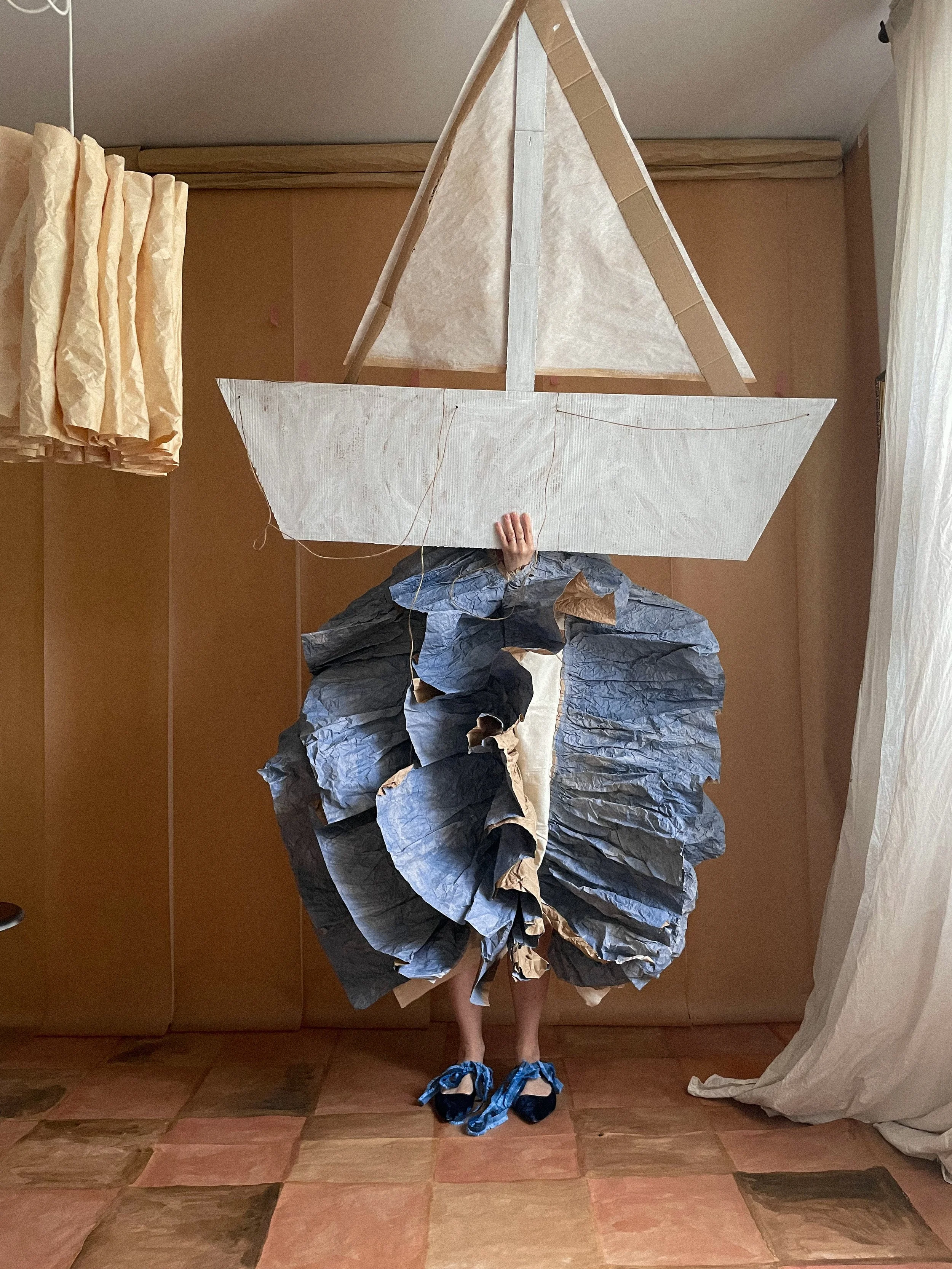
AM: Most of my work stays with me, except for custom commissions. I keep them in my studio and give them new life. I would say that I create collaborations of my old projects, combining them with new ideas. I love that they live on and offer new possibilities. It's true art. Here's an example: a boat on the waves. The waves are a paper tablecloth from one of my old projects. I looked at it in a new way and thought, "Aren't these waves?! The sea, the ocean?" I tried it on. As I wrote in one of my posts, if I were invited to accept an Oscar on the red carpet, I would only appear in this suit.
WTC: This issue is about going Back to Basics, what does this concept mean to you in your personal and professional life?
AM: I think this happens to us from time to time. It's a kind of reboot, a personal reset. When working with paper, I trust my instincts, like a wild animal seeking its prey. This may sound very primal, but I think these instincts are within each of us. My work is very artisanal, and in a world of rapidly developing technologies and artificial intelligence, I remain passionate about tactile work, the feeling of the material and the appreciation of its value. I believe that my spirit as an artist is conveyed through tactile work. Overall, I believe that all my works are self-portraits of myself, how I want to present myself to the viewer.