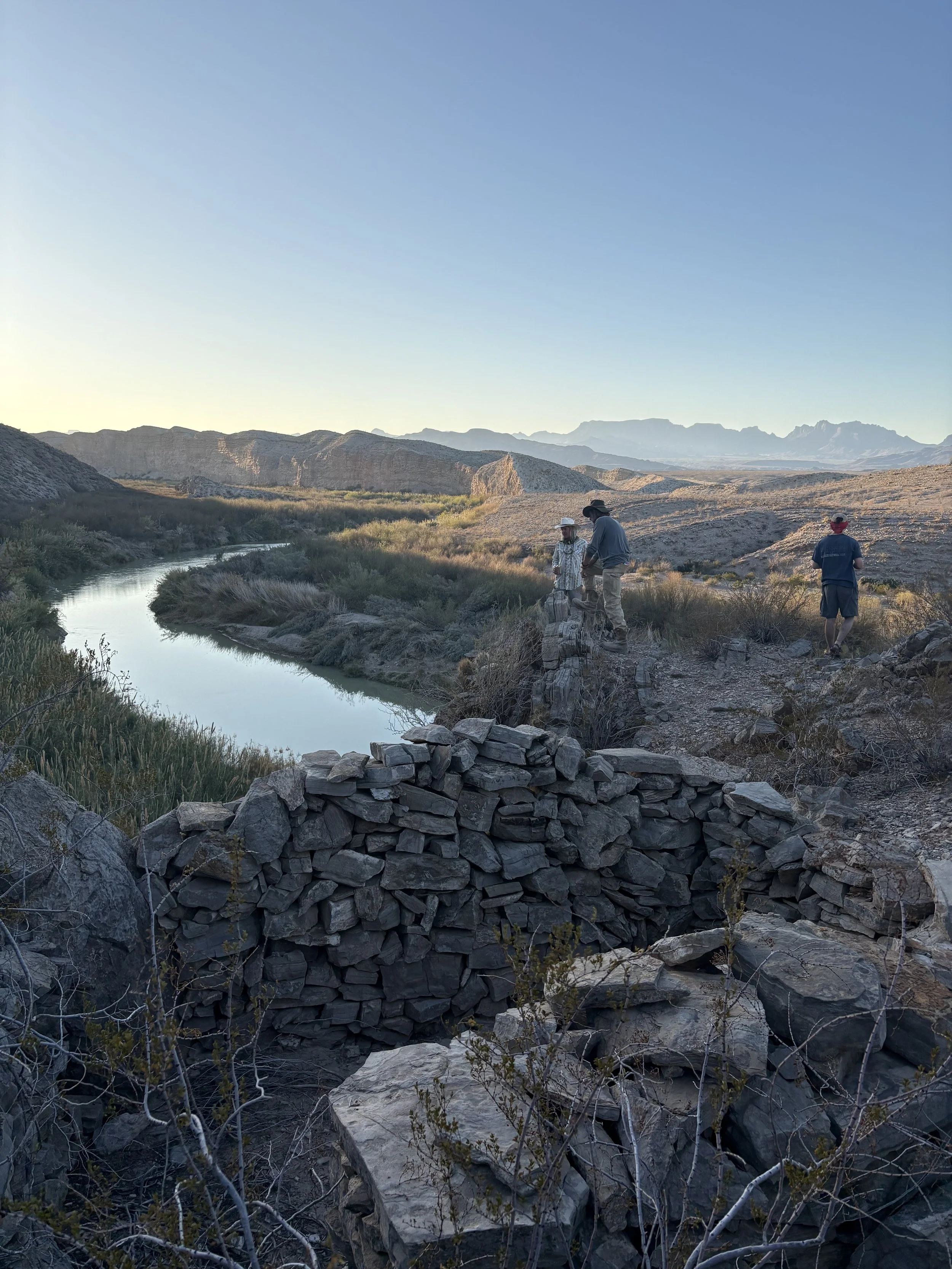
Desert Dispatch
When the Spanish first arrived to the remote region in the Southwest pocket of present day Texas, they referred to it as “El Desplobado” - The Uninhabited Land. Today is goes by several names- The Trans-Pecos, Far West Texas, or simply, The Big Bend region, taking that namesake from the famous National Park that exists in a large oxbow of the Rio Grande. The land is cut off from major currents of travel- The Southern Pacific Rail lies 100 miles to the north of the park, and the closest interstate-another 50 miles. You didn’t get here on accident.
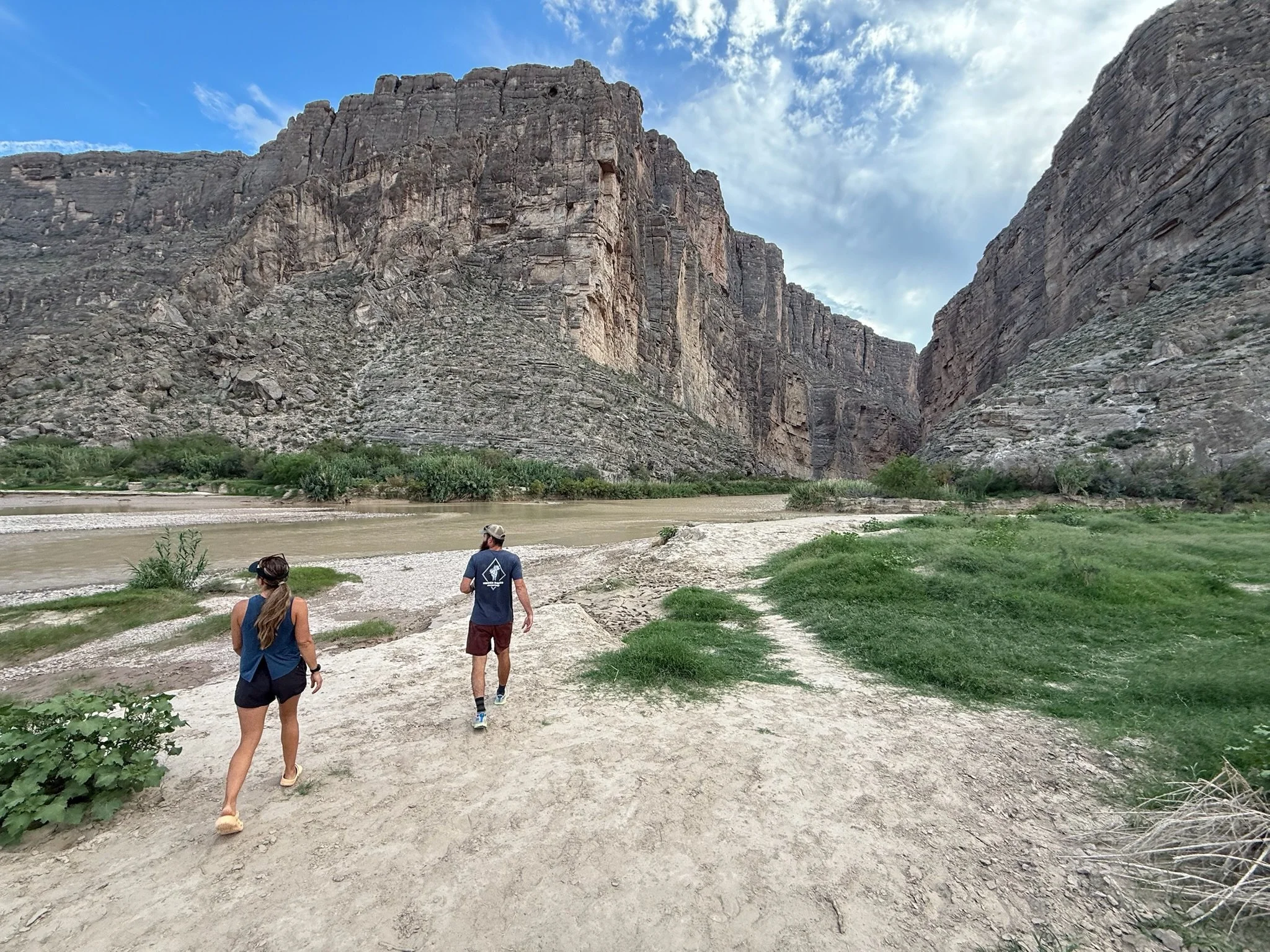
I’ve lived in this remote region for 7 years by way of Copenhagen, Boulder, CO, Green Bay, and Eau Claire Wisconsin- Regions with more obvious demarcations of seasons. Here in the Chihuahuan Desert- North America’s most ecologically diverse desert, the observer must pay closer attention to the clues that change is afoot. To the traveler, this can be unacceptable. Dry, hot, brown. Edward Abbey referred to it as a rough, rude, arid National Park. One cannot blame him, he was only here for a week.
When someone decides to make a go of it in the Big Bend region, they are entering into an agreement with themselves that, like the plants and animals that live here, they are going to have to develop a resiliency of body and mind. The Ocotillo plant has just produced its little flamelike bloom after 5 months without rain. The Palo Verde tree developed chlorophyl in its bark to minimize the size of its leaves-a water loss mechanism. The Candelilla plant retains moisture with its thick waxy coating. Similarly-the rancher, the merchant, and the lawman adjust to the normal comforts of chain stores, contract labor and modern convenience with small but noticeable changes to their character and mindset.
If you cross paths with an old timer that was born here and grown old-their tale is worth a listen- they have hidden in their leathery skin and West Texas drawl a tale of adaptability and endurance. If you meet a boatmen that has run the cañons of the Rio Grande, they won’t tell you a tale of raging rapids and adrenaline spikes, but of remoteness, darkness and time.
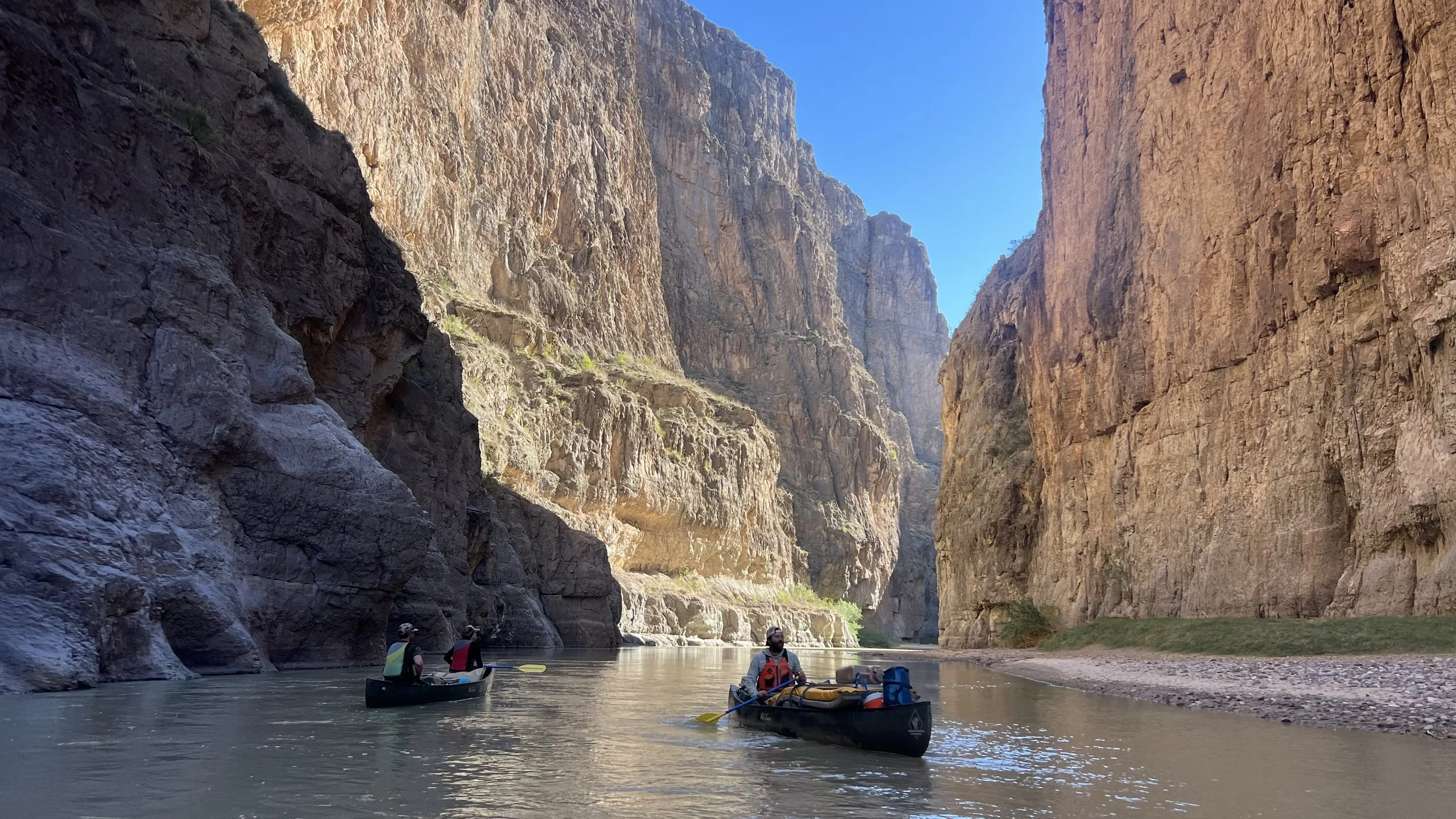
My wife and I own a small and scrappy outfitter in this setting of dark skies and vast desert distances. The pace of our lives is inverse to the quiet smoldering sunsets we observe on the mountains in Mexico. It can, believe it or not, be quite stressful. After a busy March spring break season or the influx of tourists coming back to the Park in October after the slower summer months, a paddle into Boquillas canyon is in order. To slow the heart rate and travel back in time. To Commanche time, and the Spanish before them, and the Jumano before them, and the people before them who we have no names for. To partake in a silent sport, if you will, in a remote portion of a remote park. Water, Rock, and Time.