Dora Abodi’s World
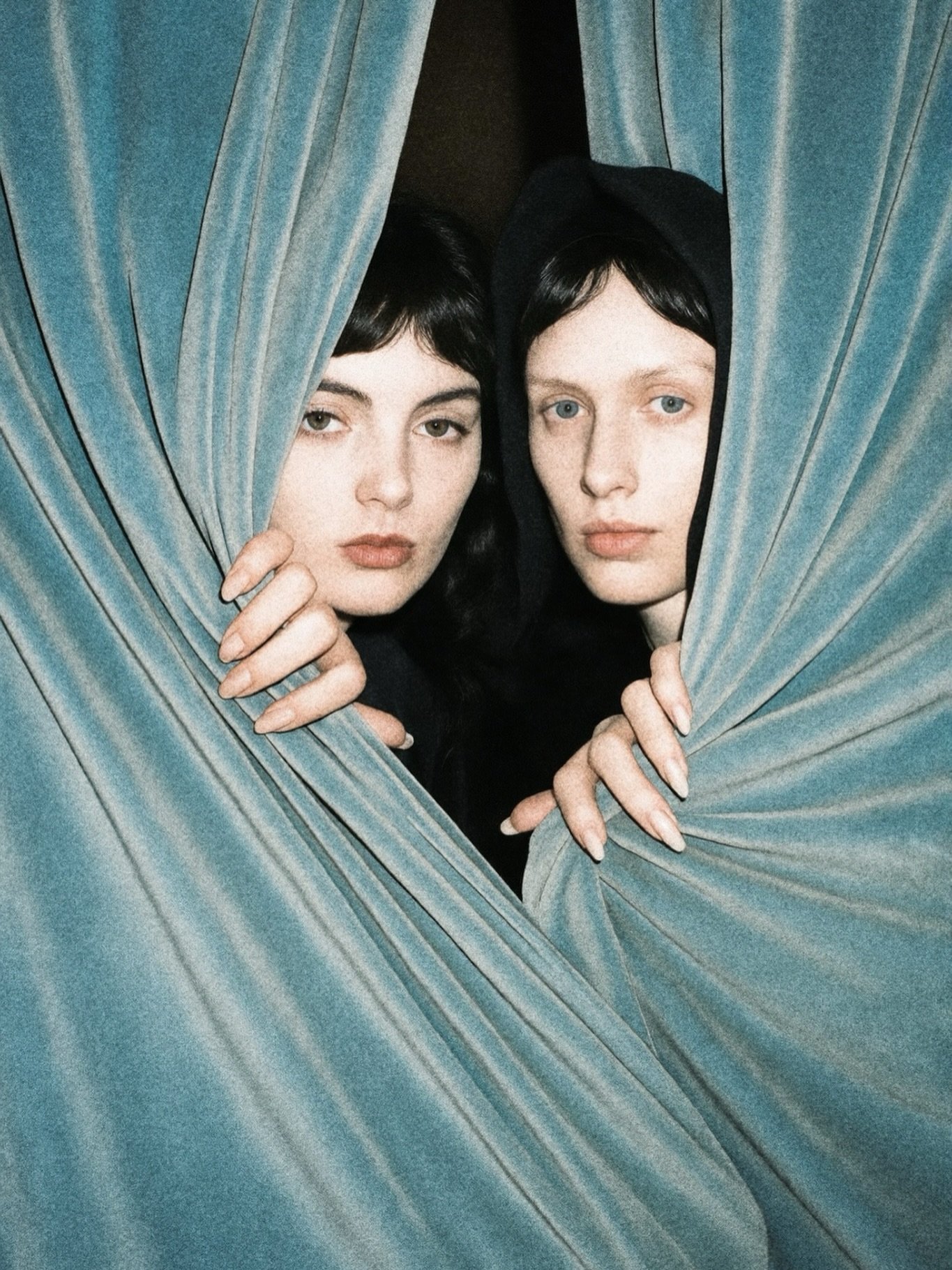
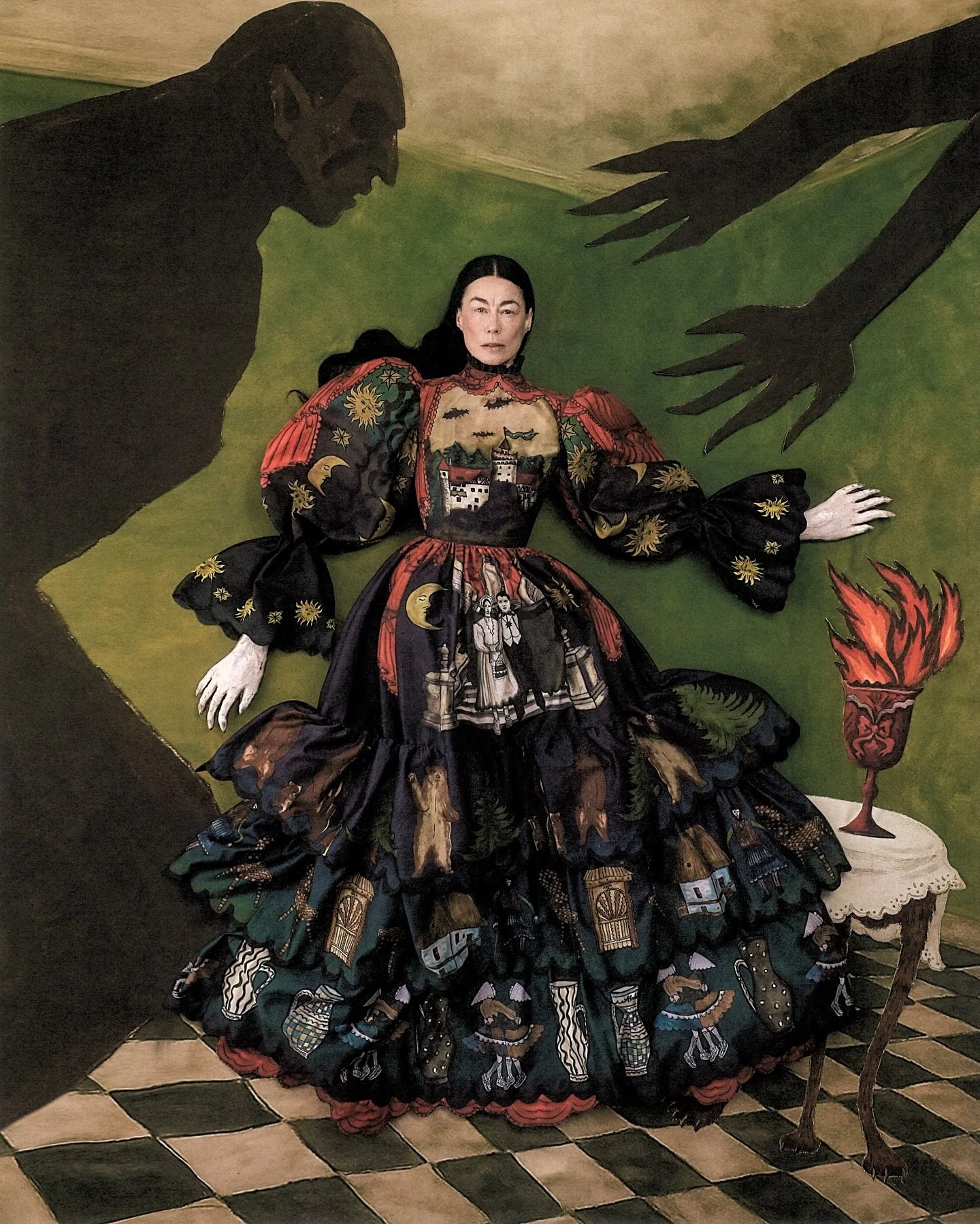
For Dora Abodi, fashion is less about trends and more about world-building. Raised in Transylvania and shaped by a lifelong fascination with mythology, cinema, folklore, and art, the founder of Abodi approaches clothing as a narrative form, one capable of holding memory, fantasy, contradiction, and emotion all at once. Her garments move between structure and dream, combining sculptural silhouettes with an almost cinematic sense of storytelling.
In this conversation, Abodi reflects on the origins of her creative universe, the strange beauty of Transylvanian folklore, and why the most powerful worlds are often built from intuition rather than logic.
We The Cool: Who is ABODI? How would you describe yourself beyond the label of a fashion designer?
Dora Abodi: At my core, I consider myself an artist—perhaps even a slightly Renaissance-minded one. I never believed that art should be confined to a single discipline.
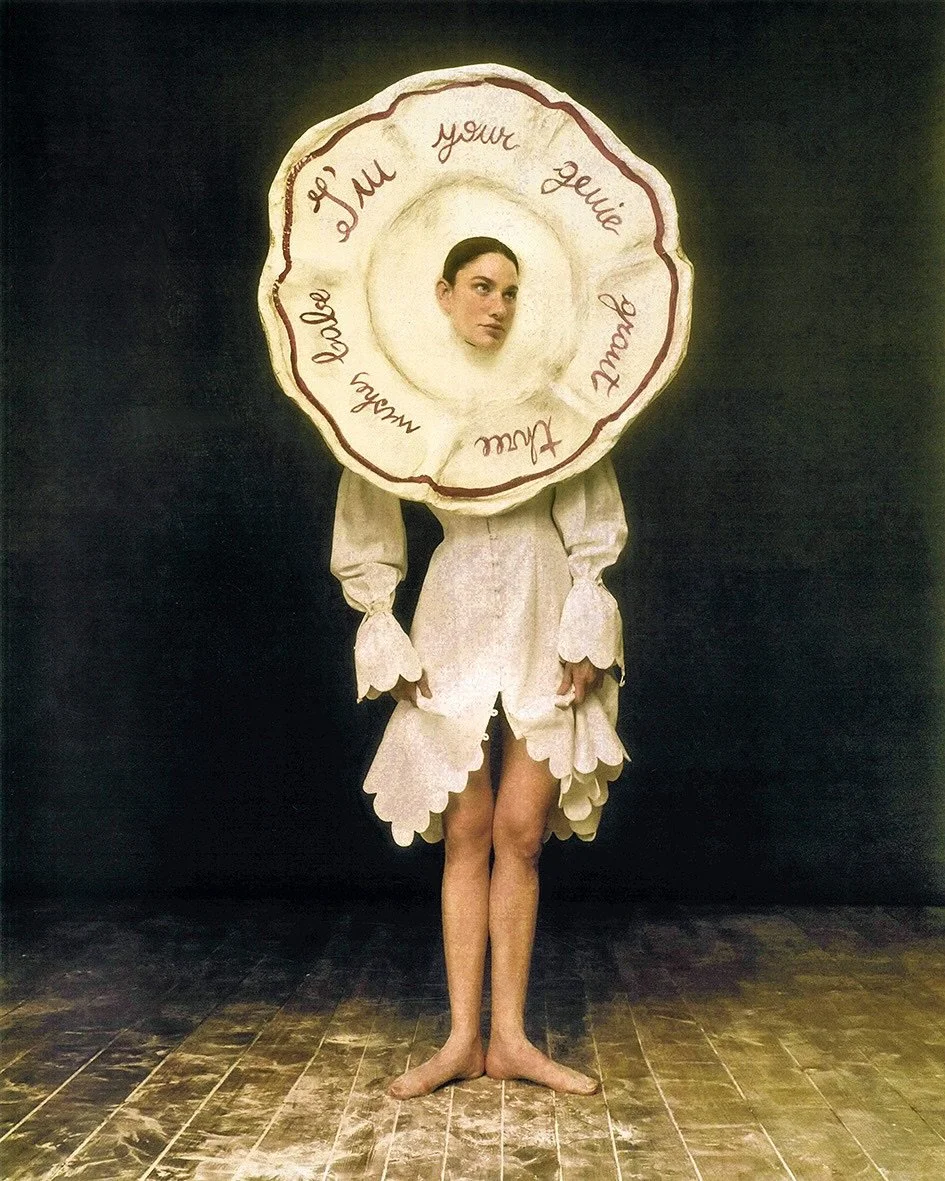
I see garments as art objects. Whether it is the simplest T-shirt, a pair of sneakers, or a more elaborate wearable sculpture, they are all created with the same level of care, craftsmanship, and storytelling. The intention is always the same: to give meaning to form.
Beyond fashion, I also work with ceramics—I create rather strange ceramic objects—alongside illustration, drawing, painting, and storytelling. In a way, literature also belongs to my practice. I enjoy inventing worlds and narratives, and fashion is simply one of the languages through which those worlds become visible.
WTC: What drew you to fashion in the first place—was there a specific moment or was it something that developed over time?
DA: Fashion always attracted me, but the decision to become a fashion designer was the result of a longer journey through the arts. Before focusing on fashion, I studied other fields, and only later committed myself fully to artistic education. Choosing fashion felt like choosing a language—a language of communication and self-expression.
I believe the real origin lies in a much older desire: the urge to create something, to draw, to tell stories. That longing was always there, quietly shaping my path.
WTC: You were born in Transylvania—a place surrounded by myth and imagery. How has that landscape shaped your imagination?
DA: Yes, I was born in Transylvania, and I truly believe it is a very special place. Sometimes I like to joke that it is the center of the world—because if you unfold the map in a certain way, Transylvania sits right at the heart of it, like a mythical pulse.
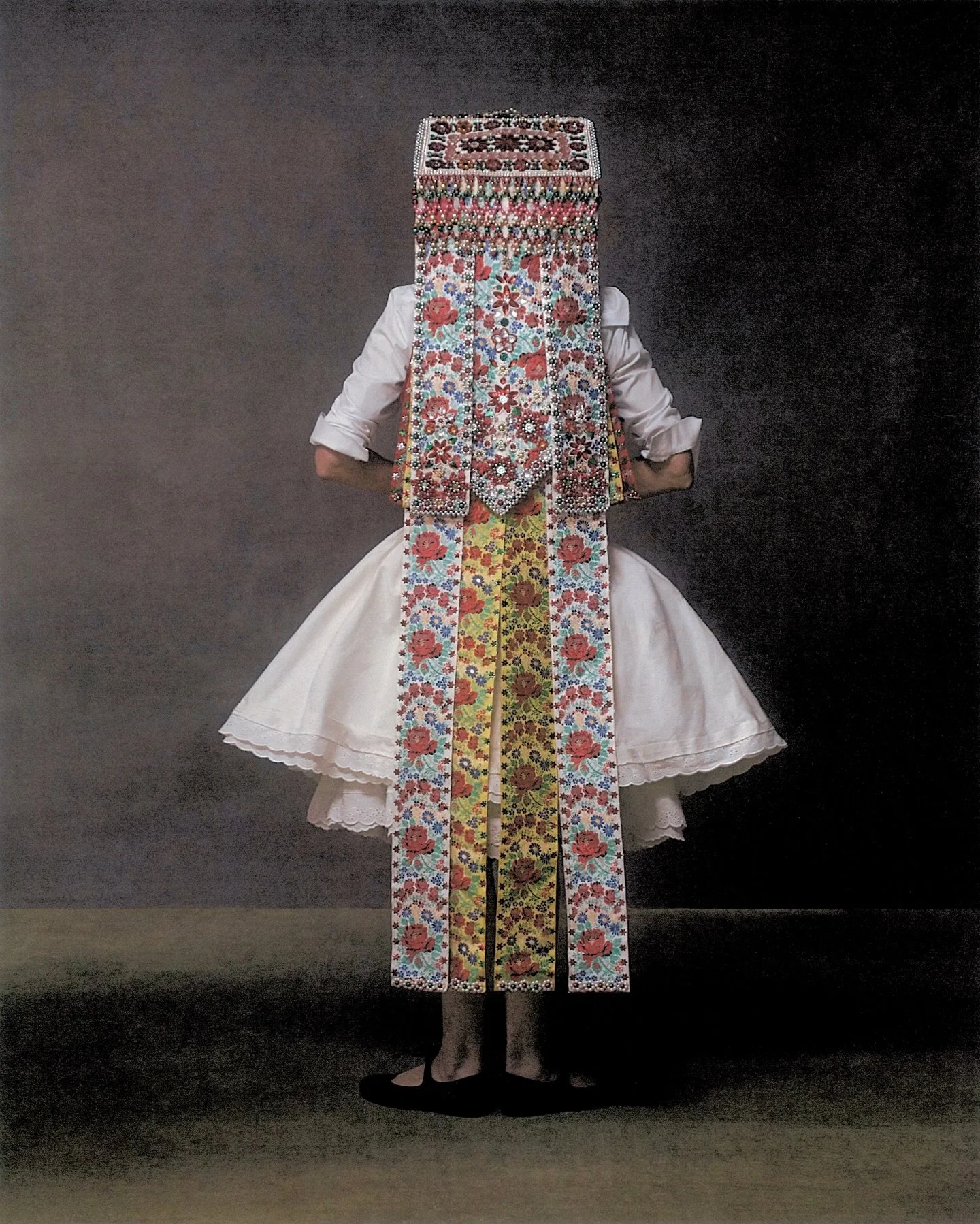
At first glance, it may appear rural, even simple. But if you spend time there, you begin to notice the layers. Beneath the surface, there are myths, strange stories, and curious creatures hiding in the shadows. Transylvania rewards curiosity. It reveals itself only to those who are willing to look a little deeper.
WTC: What does your creative process look like from the first idea to the final piece?
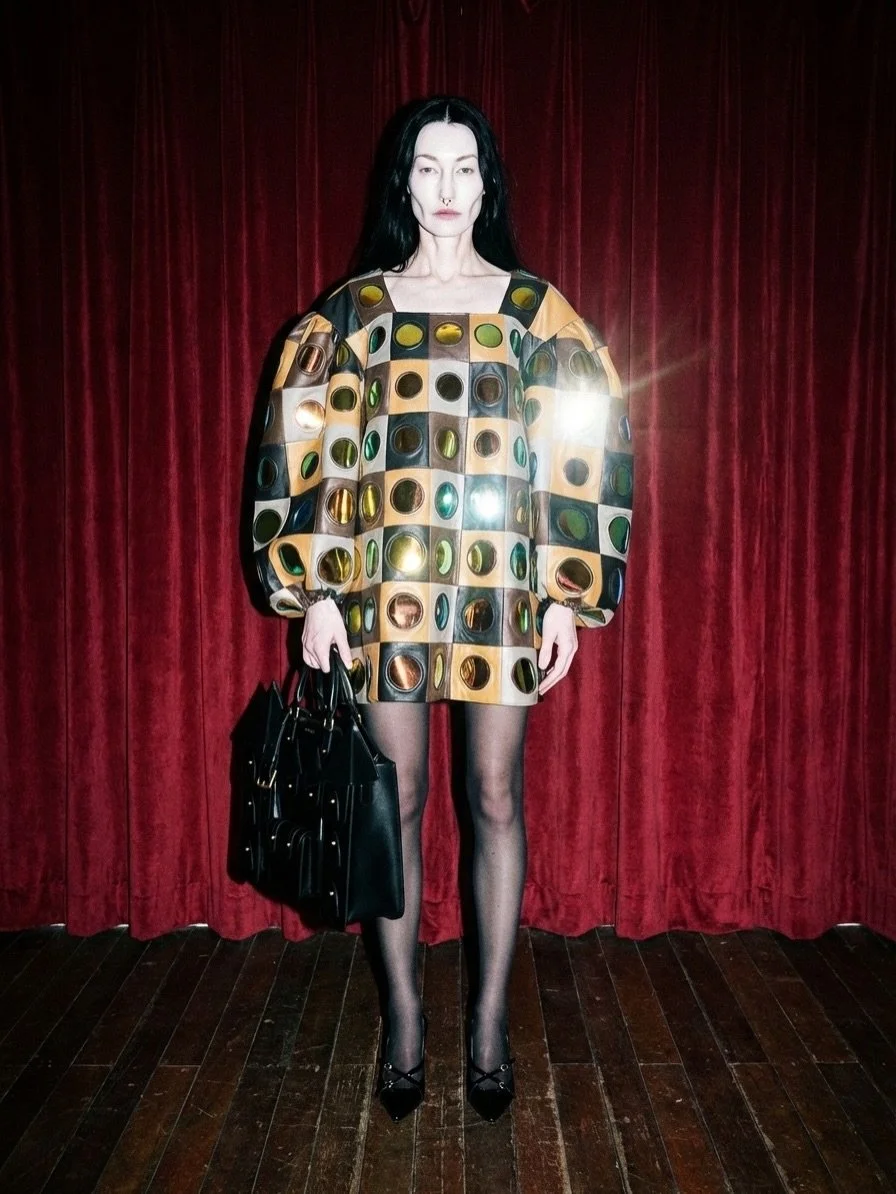
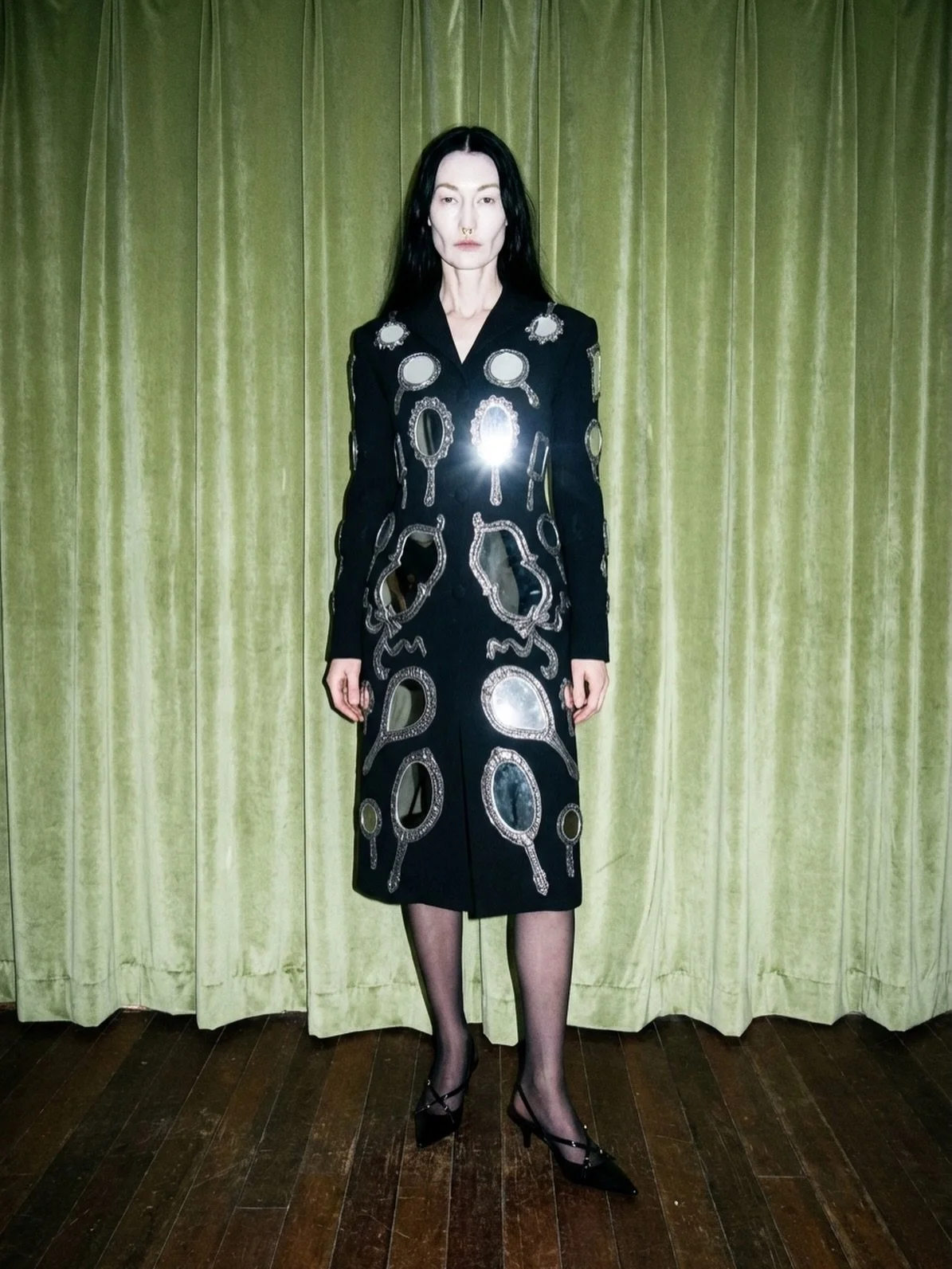
DA: My creative process is constantly evolving. I consume a great deal of art—I love pop culture, films, pop music, novels, picture books, painting… truly every form of artistic expression. At the center of my work, there is an underlying mythology—a fictional Transylvanian universe that I have been building over time. Each collection is another chapter in that story. I dress these narratives in different shapes, textures, and motifs.
Ideas arrive in very unpredictable ways—half-asleep, during travel, after seeing a painting, or simply through lived experience. They grow organically, like roots spreading beneath the surface.
WTC: How much of your work is planned, and how much is intuitive or experimental?
DA: There is always a structured part—everyone has their own rhythm, and building a universe requires discipline. But I also leave a great deal of space for the unexpected. I have always allowed my thoughts to wander freely. When a strong idea appears, I do not like to abandon it. Sometimes I realize that the timing is not right, so I archive the concept and return to it later, when the story is ready to receive it.
Every narrative has its own capacity—how many characters, objects, or images can exist within it without breaking the harmony.
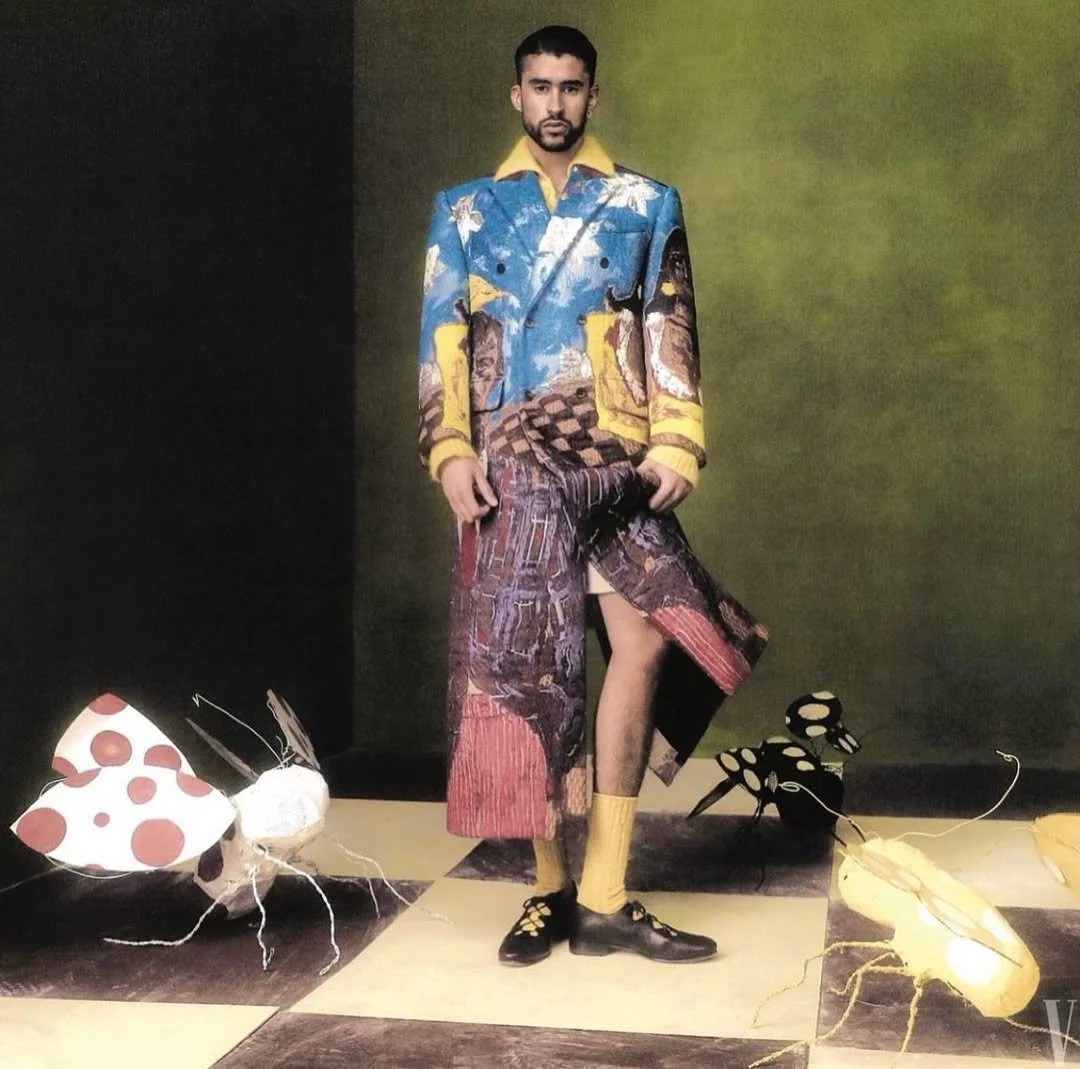
WTC: Artists like Bad Bunny and Jaden Smith have worn your pieces on major stages. How did those collaborations start?
DA: Most collaborations begin through stylists—it is a quiet network of trust and curiosity. In the case of Jaden Smith, the story began when a magazine photographed Eva Herzigova wearing one of my castle-inspired vampire headpieces. The image circulated, and eventually the piece caught his team’s attention. That is how the connection was born. Bad Bunny came through a photographer and stylist as well. They were preparing a shoot in Puerto Rico and were searching for bold, expressive looks.
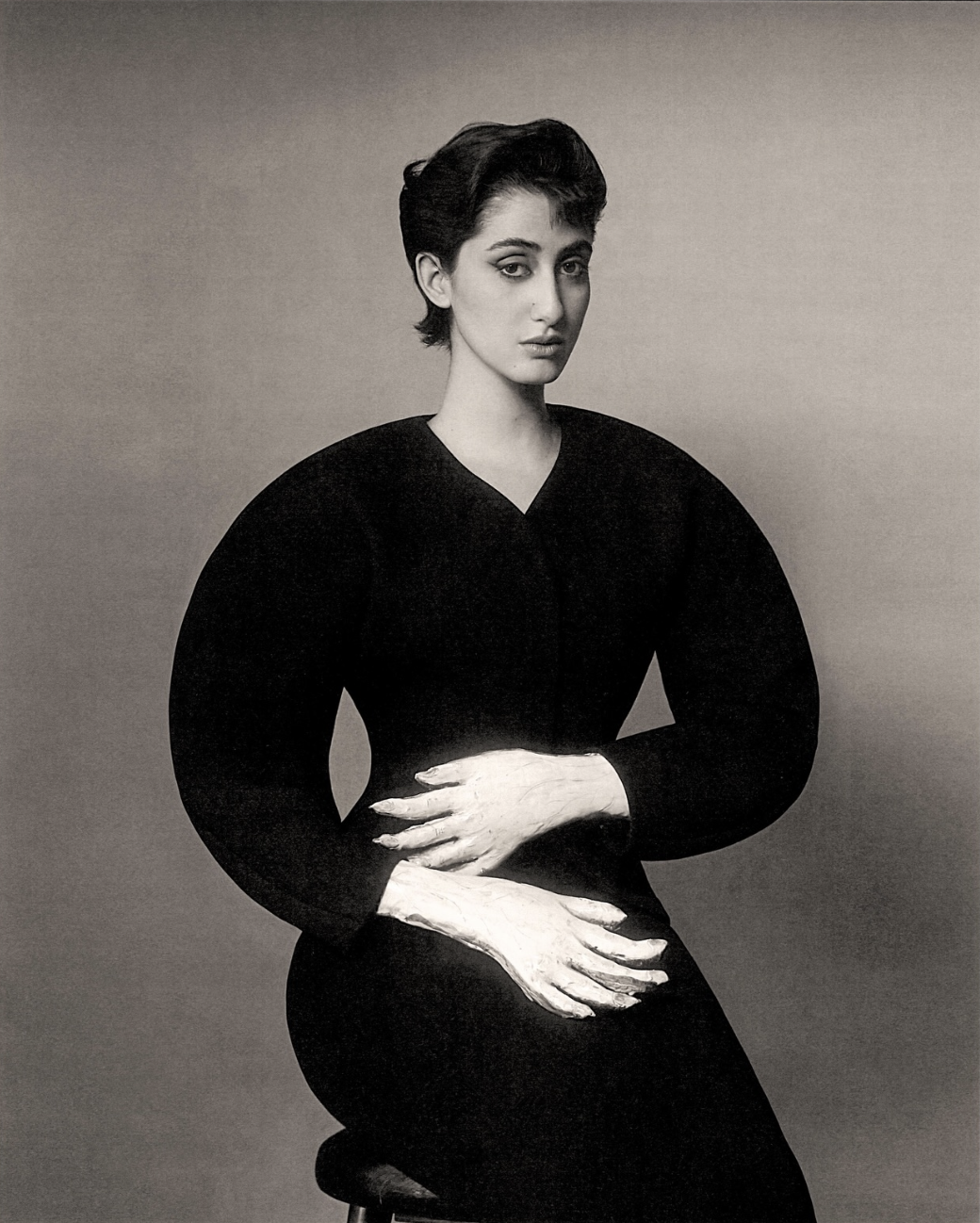
WTC: We would also love to know more about your collaboration with Rama Duwaji. How was that like?
DA: The collaboration emerged from a very poetic context.
A magazine was preparing a feature about the newly elected mayor of New York’s wife, who is an artist in her own right—not merely a public figure, but a creator. The creative team felt that the story should reflect artistic power and responsibility.
At the time, I had just begun working on a ceramic hand series, and the first piece was a vampire hand. They saw it as a symbol of creation, magic, and transformation. That is how the piece entered the narrative.
WTC: Could you share with us an anecdote that emerged from one of these collaborations or another one?
DA: One of the less glamorous realities of fashion is logistics. We are constantly shipping garments around the world, and occasionally the universe plays tricks on us.
There was a moment when one of our newest dresses was meant to arrive for a major celebrity photoshoot—but instead, it was delivered to the wrong address in Milan. A full investigation followed. Eventually, we discovered that the recipient had been expecting a wedding dress and, for reasons still mysterious, did not immediately question why this entirely different garment had arrived.
After a long search, the dress was recovered—though not in time for the original shoot. In the end, it found another stage, another wearer. In fashion, every object has its destiny.
WTC: If you had to choose one, what is your favorite garment within your collection?
DA: Choosing a favorite piece is always a cruel exercise.
Within the Chronicles collection, I feel equally attached to many garments. It is a large body of work, but we edited it carefully and selected only the strongest pieces for presentation. Editing one’s own creations is one of the most difficult parts of the process.
That is why I often invite trusted collaborators to help me see the collection from the outside.
WTC: This magazine edition is about “Back to Basics.” In your work, what feels essential—what do you always return to?
DA: I always return to origin stories.
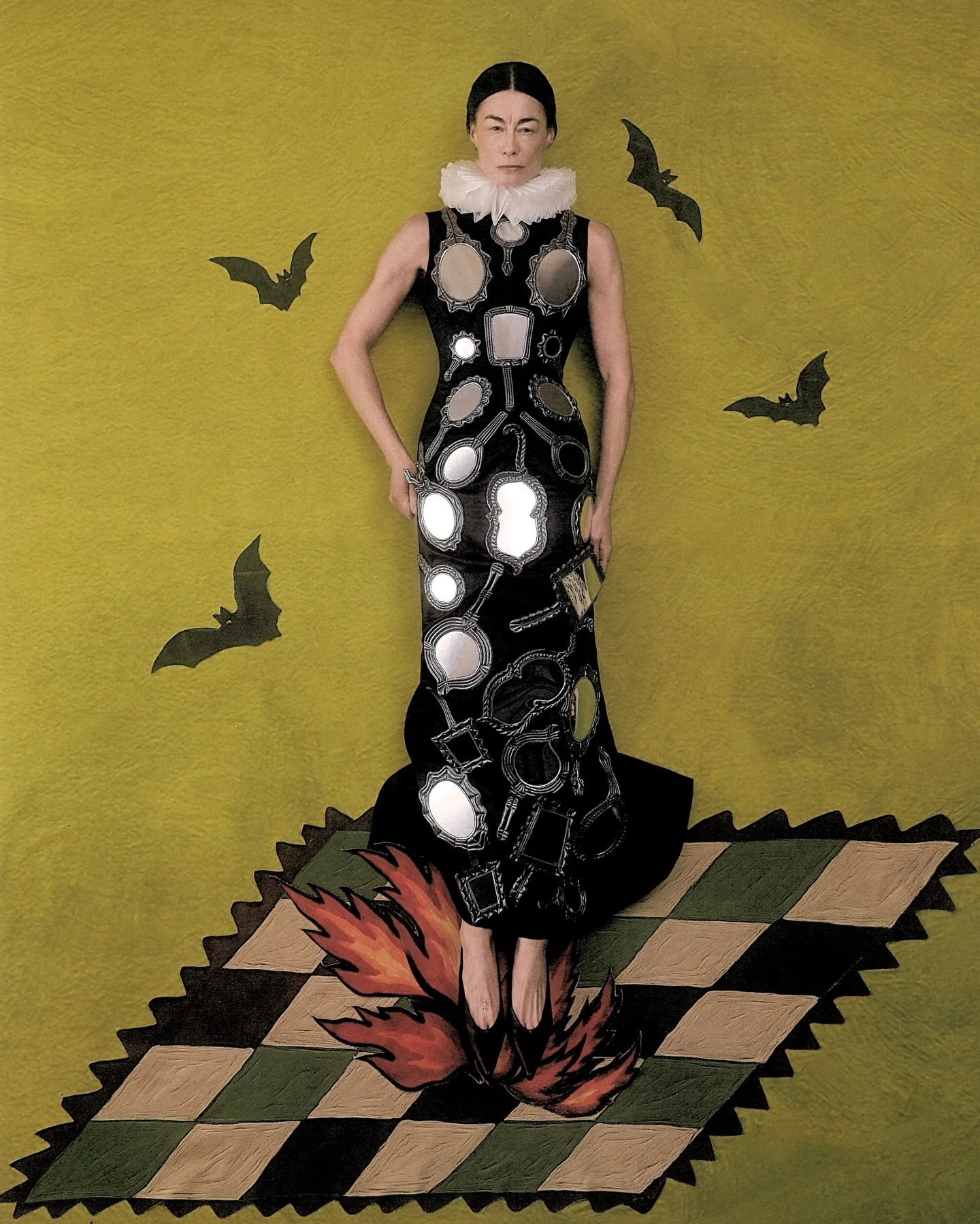
There is also a certain puritan simplicity in the way I create garments and objects. I love complex silhouettes and unusual forms—mermaids, hybrid creatures, vampires, sculptural shapes—but even the most elaborate piece carries a sense of restraint. Perhaps it is a kind of Northern Renaissance discipline: complexity balanced by simplicity.
WTC: When everything becomes complex, what grounds you creatively?
DA: Conversation.
There are a few people in my life whose judgment I deeply trust. When I share my ideas with them and we discuss the work openly, clarity usually returns. Sometimes all it takes is one well-placed sentence to move forward again. I am not someone who likes to carry thoughts in silence. Dialogue dissolves tension.
WTC: Can you share with us artists or people that have inspired you throughout your creative journey?
DA: My inspirations often come from personalities rather than direct visual references. I have always felt a strong connection to David Lynch—his films, his imagination, and even his presence as a person. I sometimes think that if we had met, we would have had a very good conversation.
I also admire Fellini, and since childhood, Madonna has been one of my great icons. What inspires me about her is her independence—her refusal to live according to expectations, her courage to reinvent herself again and again. And of course, my parents and grandfather, who were painters, shaped my visual world from the beginning. I grew up surrounded by colors, forms, and conversations about art. Colors, in particular, have always been a powerful source of inspiration for me. Lastly but not last, I am really inspired by folk tales & legends of Transylvania, these ancient stories and songs are really bold and complex.
WTC: Is there a recurring feeling or emotion that runs through your work?
DA: Yes—an atmosphere that feels almost dreamlike. I tend to have very vivid, complex dreams—journeys across time and space, shifting identities, forgotten memories. There is often a sense of nostalgia in my work, but not for a specific place or moment—rather for something intangible, something half-remembered. There is also a certain unpredictability, a touch of strangeness, and a strong sense of independence. The characters in my collections rarely behave politely.
WTC: What’s next for the brand? What kind of “world” are you creating next?
DA: I do not really see the brand as a brand. I see it as a universe—one that is constantly evolving. We are working on new garments, new bags, new ceramic objects, sculptures, and collections. These are the daily rituals that keep the universe alive. But we are always searching for new territories—unexpected directions that can expand the narrative.
WTC: Do you imagine ABODI expanding beyond fashion into something like film, performance, or immersive spaces?
DA: Absolutely. ABODI was never only about fashion. From the beginning, it was about building a world. We already create short films and highly cinematic visual materials, and I believe the next natural step is to explore immersive spaces or larger narrative formats.
Fashion opened the door. Now we are simply walking further into the story.