
Salt, Soil, and the Art of Disappearing
Inside Ananas Ananas’ practice of impermanence, ritual, and edible art.
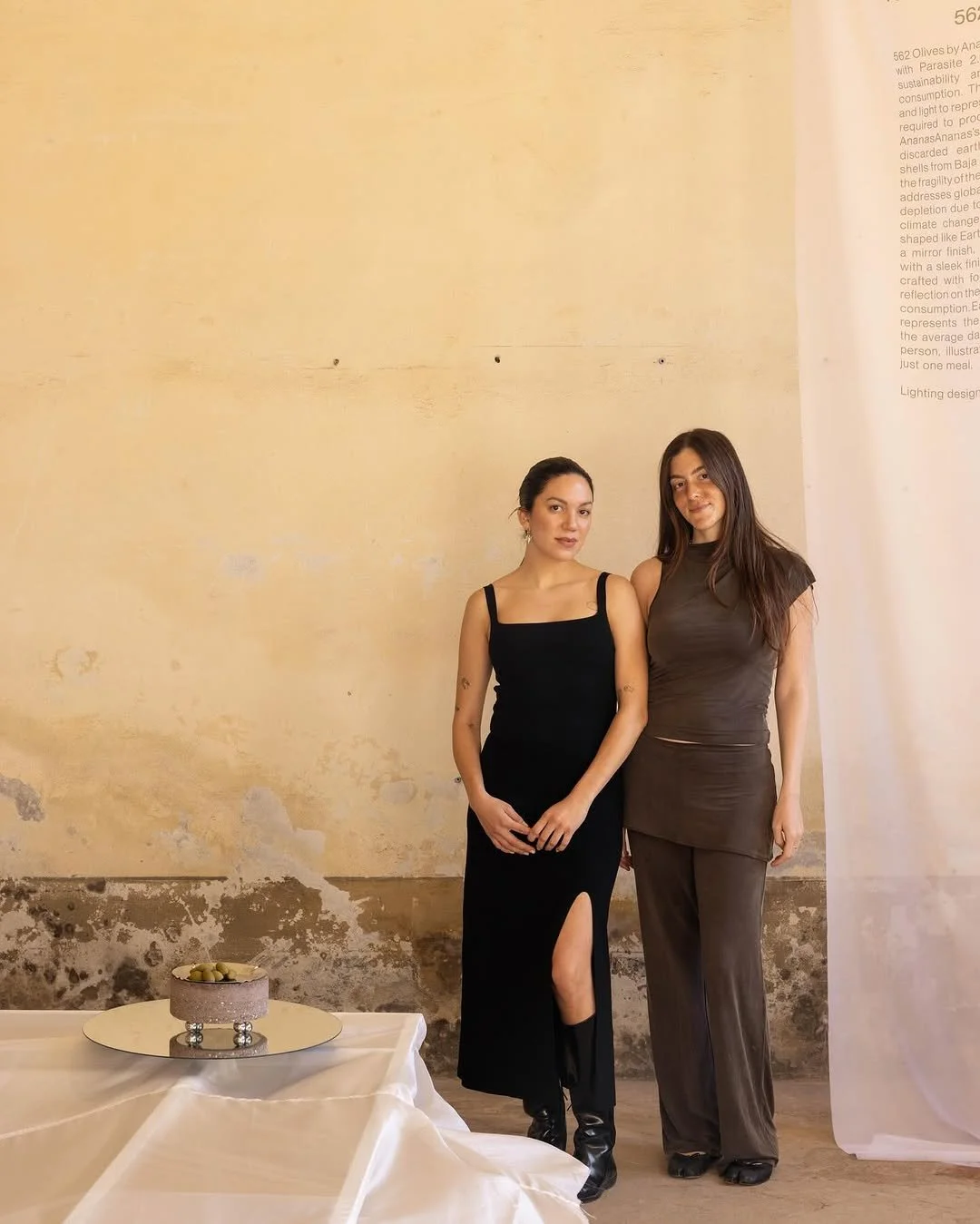
There’s something quietly subversive about watching art disappear. For Mexico- and Los Angeles-based studio Ananas Ananas, food is both material and message. Their installations are meant to be consumed, leaving behind nothing but memory, crumbs, and conversation. It’s a practice rooted in impermanence, but also in ritual, care, and critique.
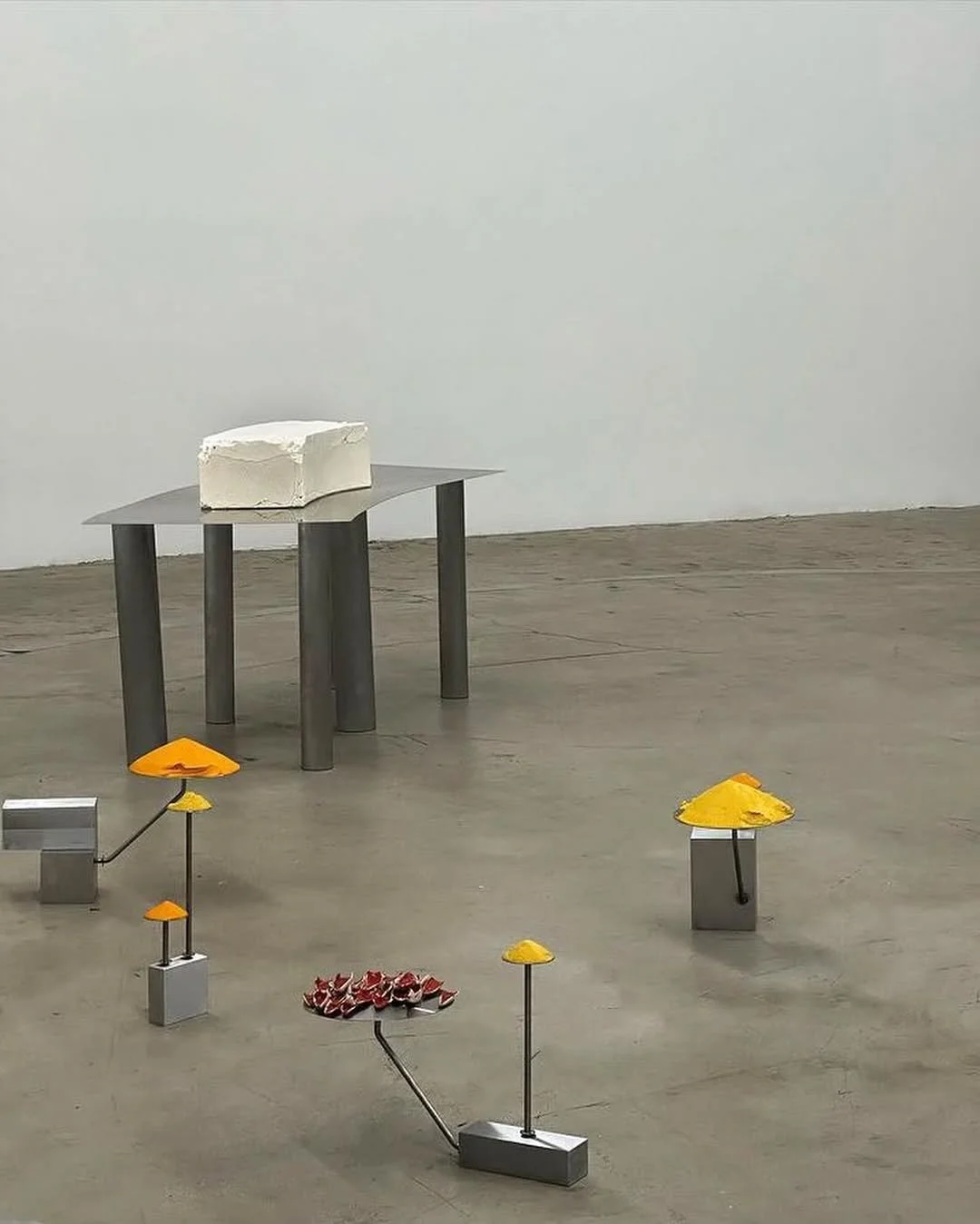
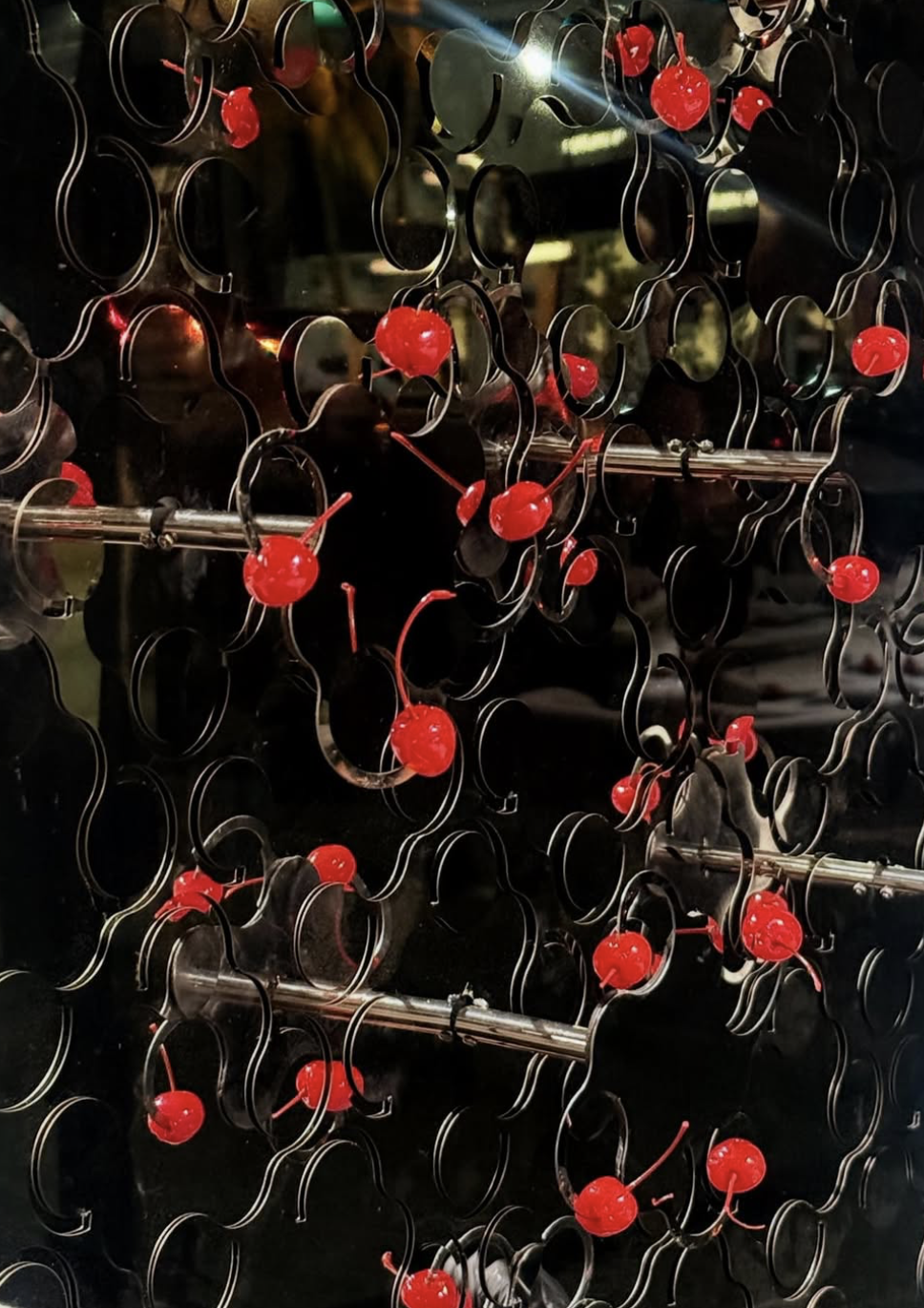
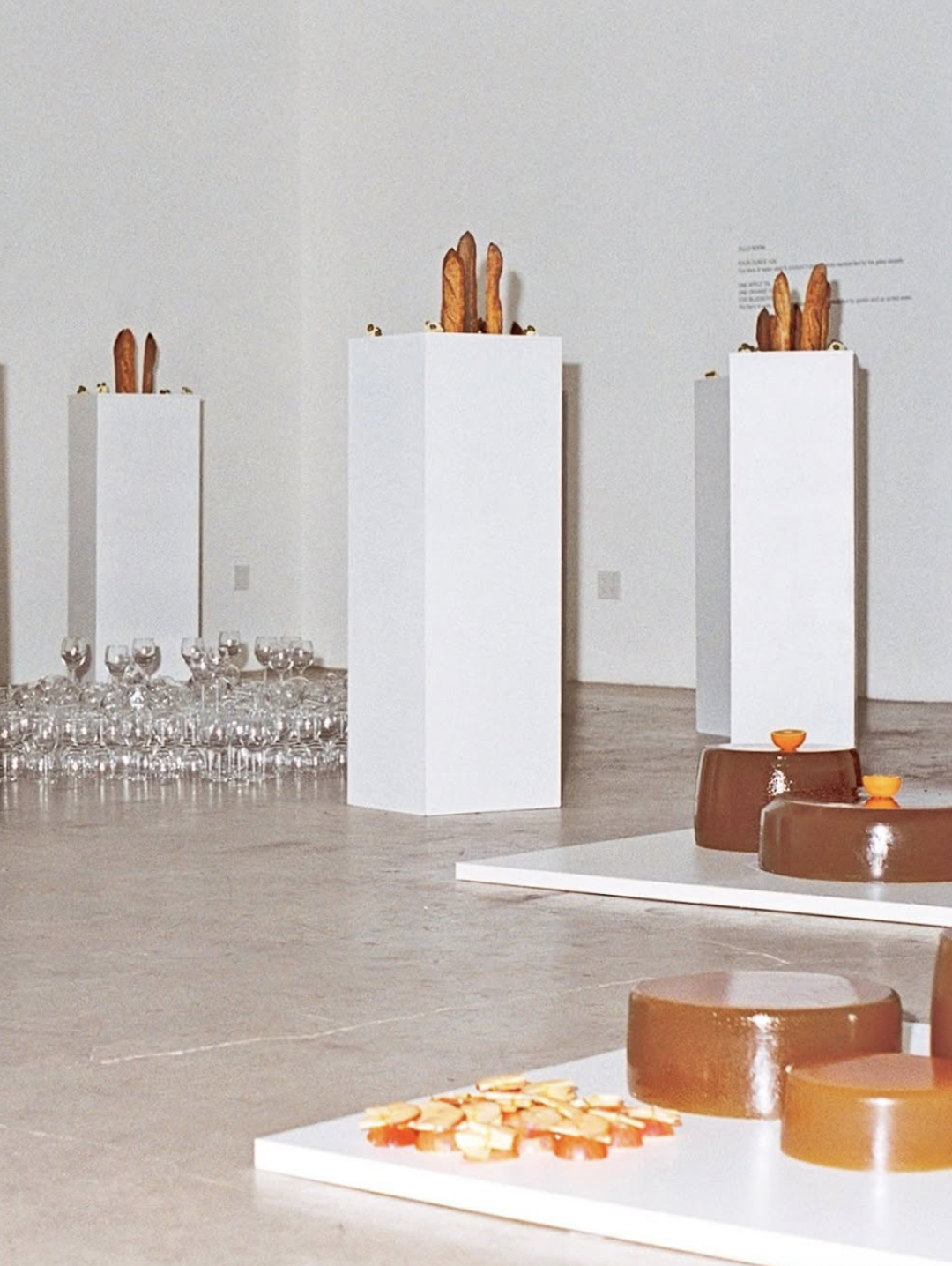
Whether they’re building salt-and-charcoal landscapes to mirror the scale of global soil erosion or designing sculptural objects meant to live in someone’s home, Ananas Ananas operates at the intersection of design, performance, and food as activism. Their work is an invitation to look, to touch, to taste, but also a reminder of the systems we participate in every day, from how we eat to how we care for the land that feeds us.
We caught up with them after their show in Copenhagen to talk about the tension between permanence and impermanence, how community care shapes their work, and why there’s always someone who has to be brave enough to take the first bite.
PA: Your installations are designed to disappear, to be experienced, consumed, and then gone. How do you see impermanence as a form of rebirth in your work?
A: Impermanence in our world signifies an opportunity to be present with the work. Knowing that part of the material (food) that is presented as part of the sculpture will be eaten is our way of communicating the viewer that it’s either now or forever gone.
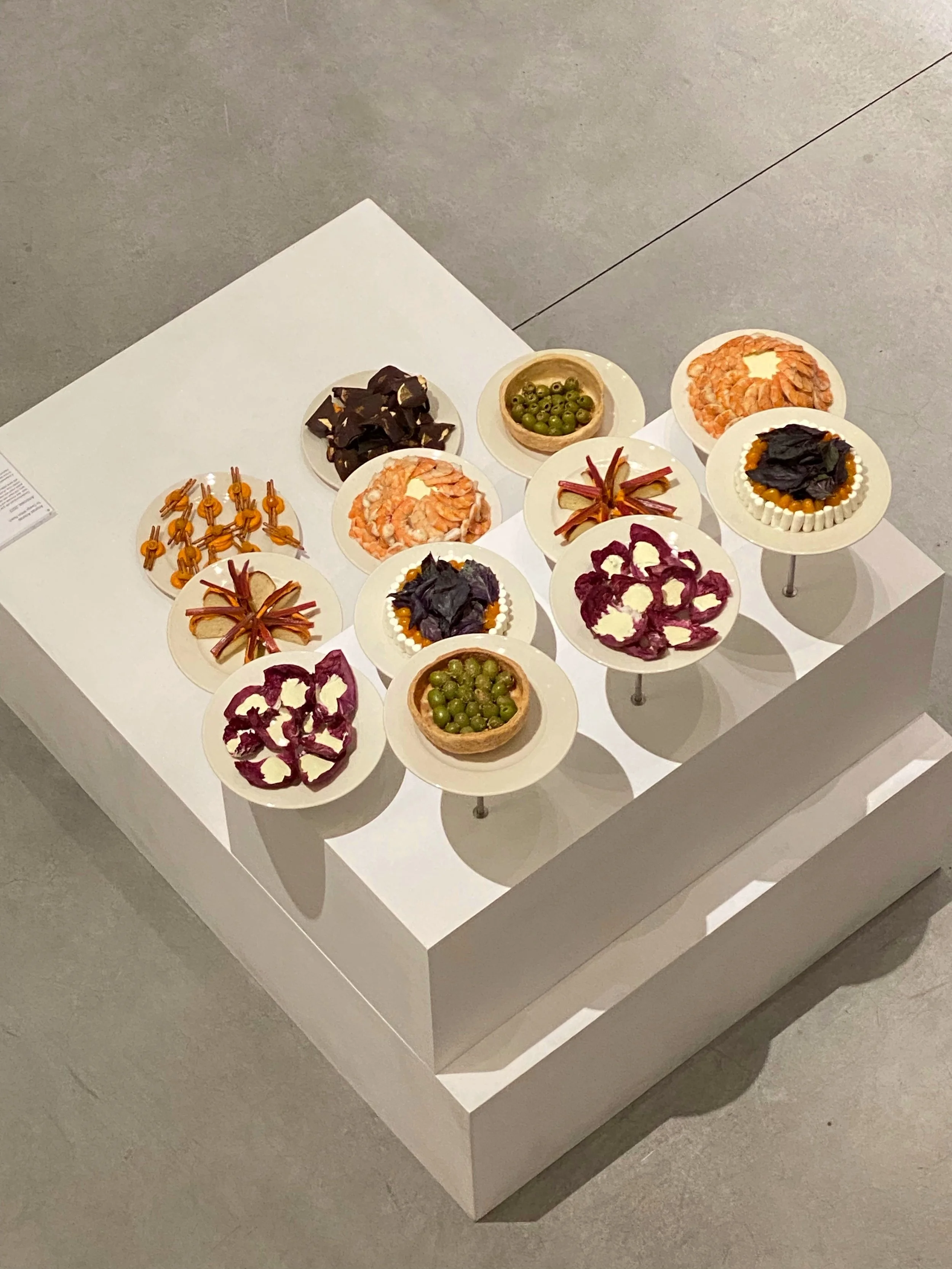
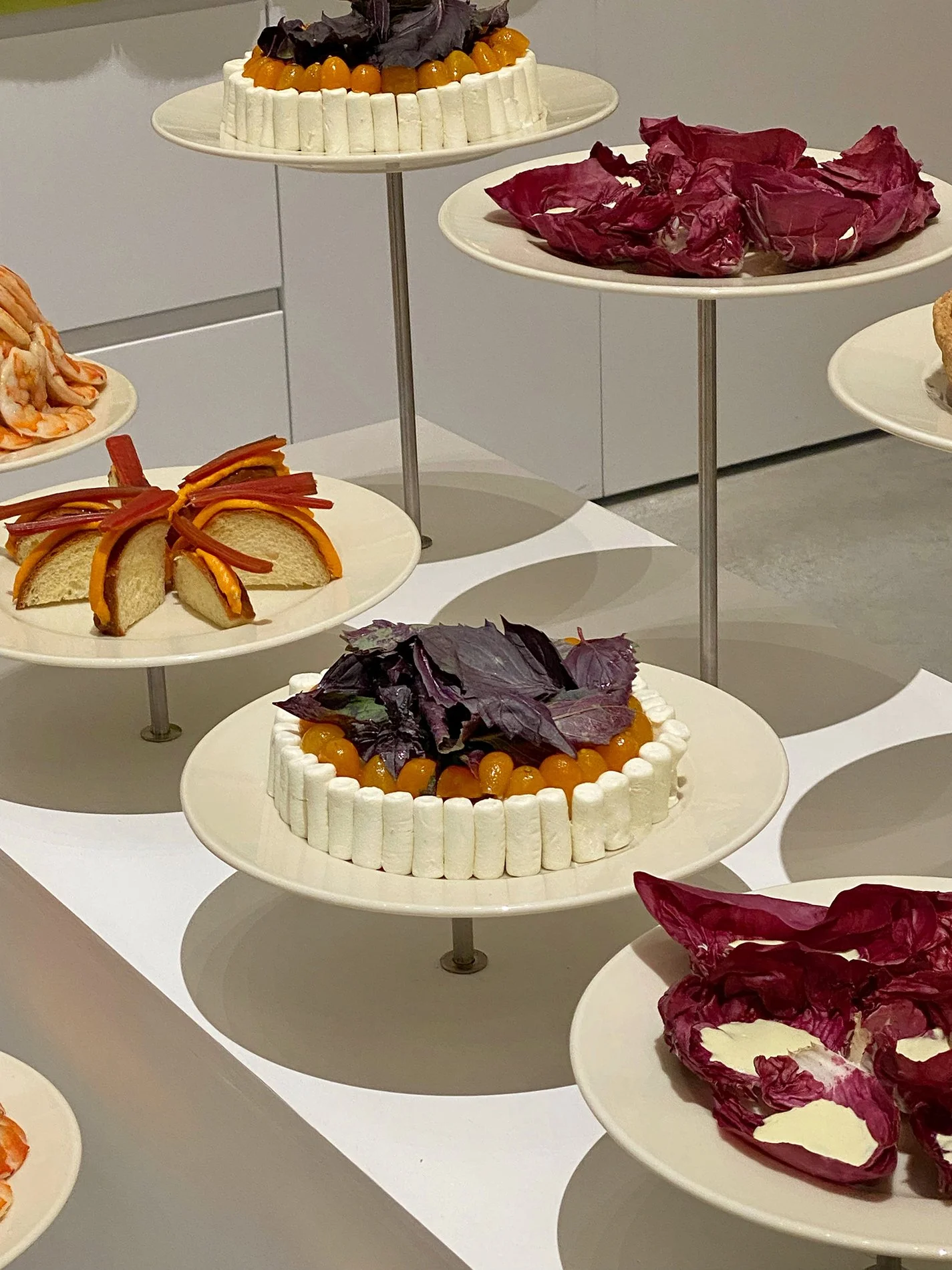
PA: You’ve just presented work at 3daysofdesign in Copenhagen. What can you tell us about it and how does exhibiting in a design context shift your creative approach?
A: We were part of a group exhibition with Holder, who is an online gallery and platform that represents Latin American design. They presented our latest collection TRACE which addresses one of the downfalls around the food production system, soil erosion due to unsustainable farming practices. As emerging artists, we are constantly shifting between creating permanent works that express our thoughts on food rituals and ephemeral exhibitions that speak about sustainability and sometimes, it’s the other way around.
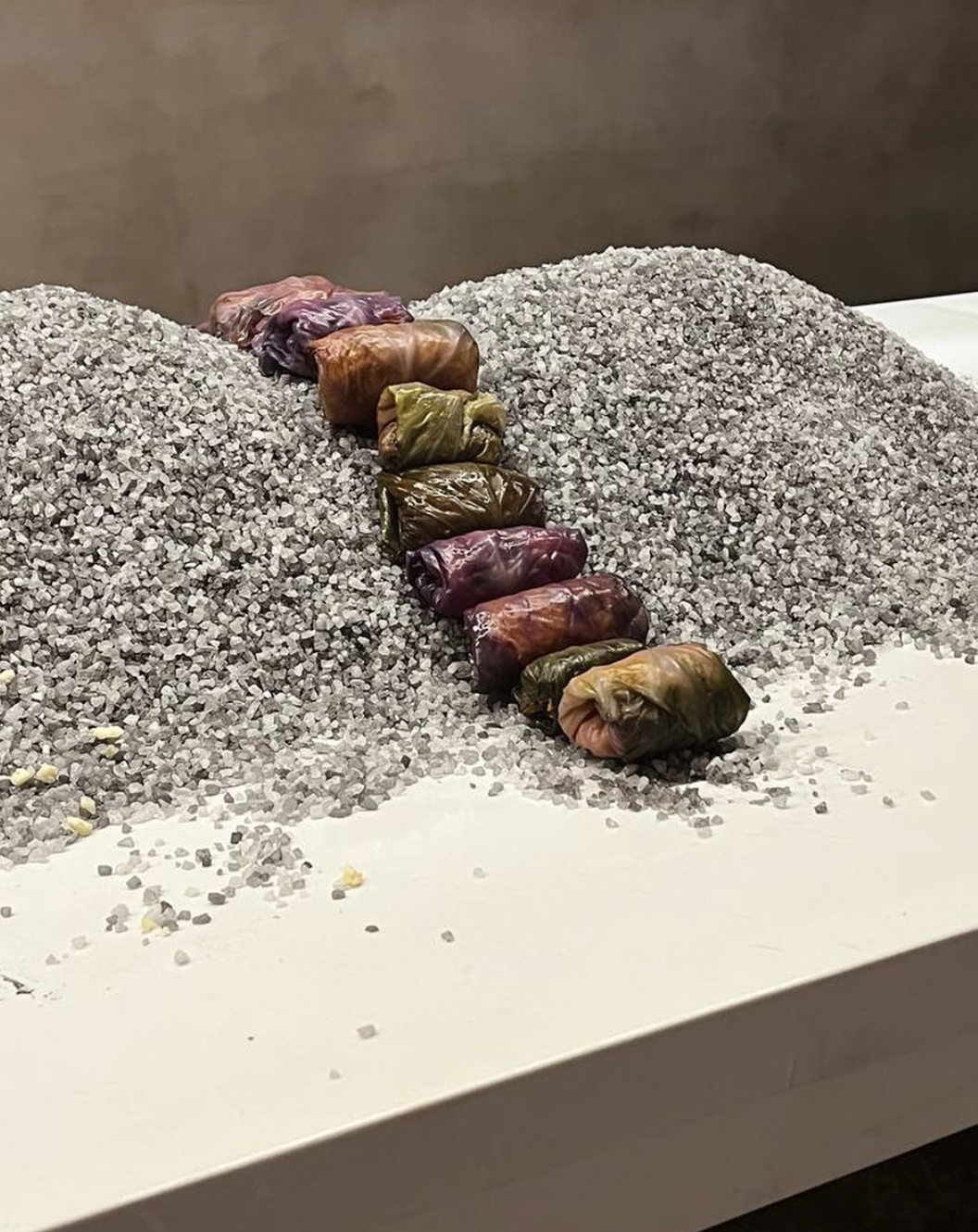
PA: In your exhibit Suelo Superior you used 440 pounds of sea salt to represent the fertile soil eroded through the daily food consumption of the people in the room. If that experience had a soundtrack, what would it be? Any tracks or artists that capture the atmosphere or ritual of that night?
A: Yes, we filled in the environment with the electronic/natural sounds of a Mexican artist from Tijuana, Braulio Lam. We felt it was a perfect combination of ambience and meditative yet mind stimulating sounds to drive you into the present moment.
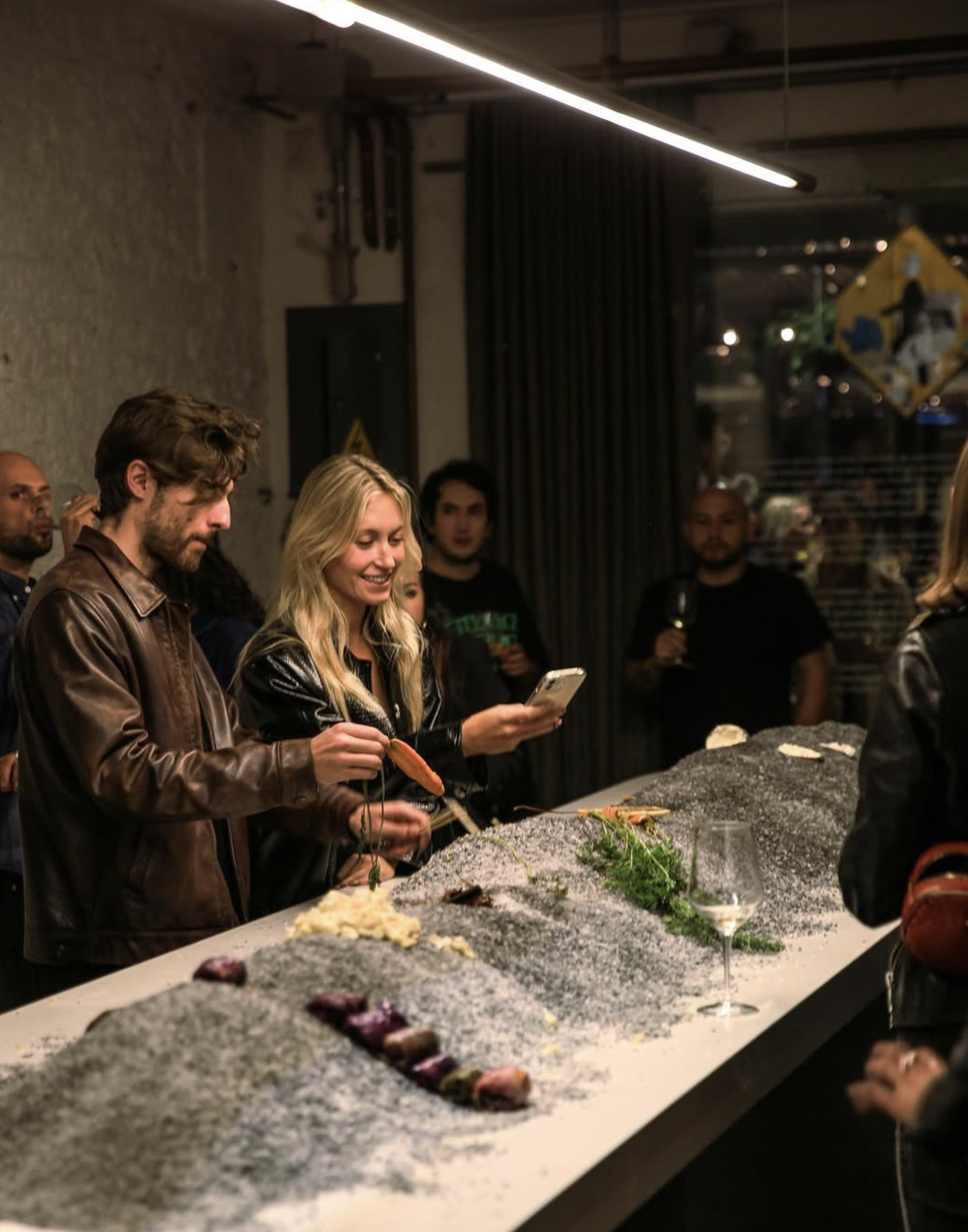
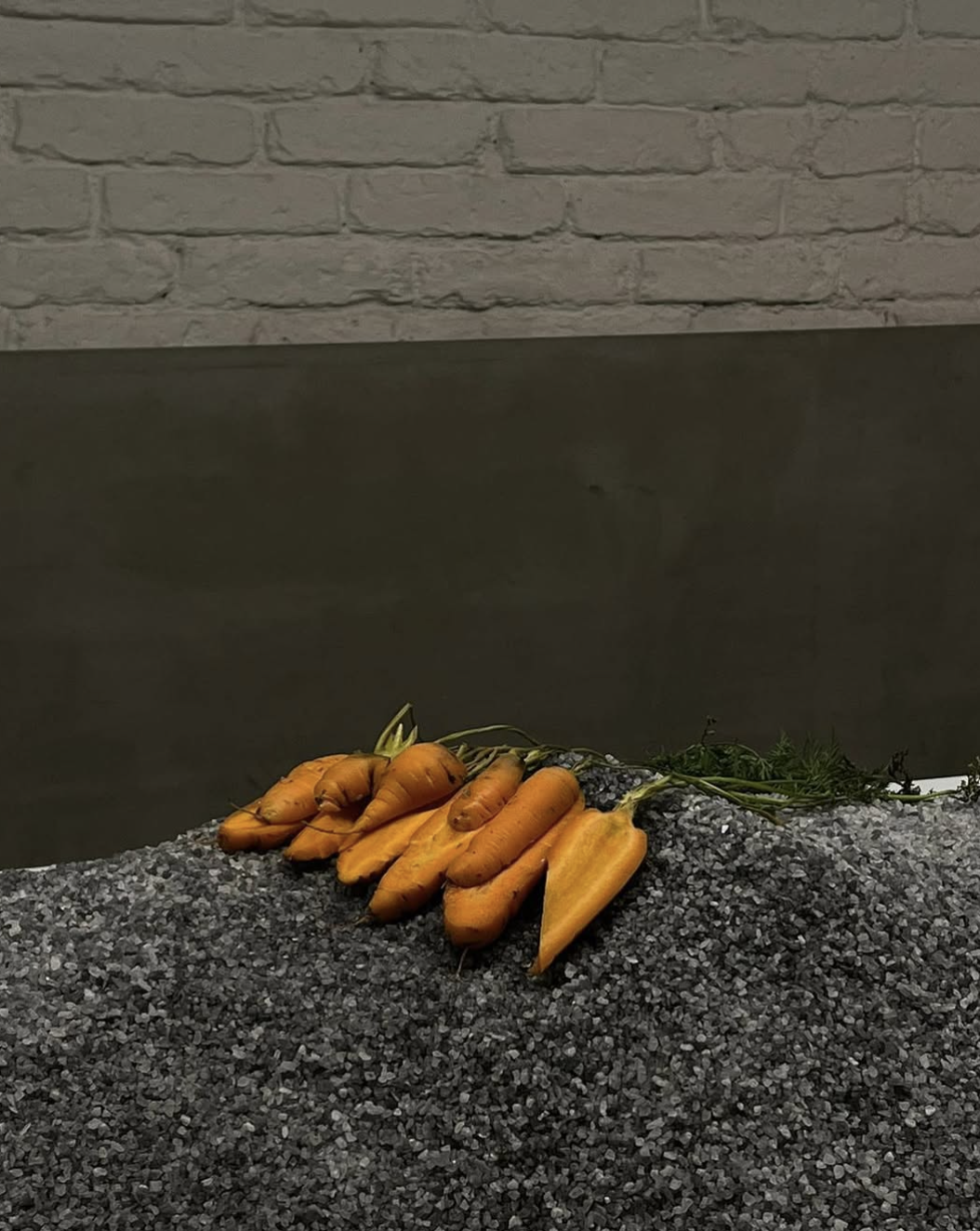
PA: Your installations are intentionally temporary but your Objects feel like the counterpoint: lasting, sculptural pieces that hold memory or ritual. How do you see these design works in relationship to your ephemeral food experiences?
A: Designing permanent objects was a natural evolution for our studio. We felt that by creating something permanent and allowing another person to have it in their environment it can provoke the same ritualistic feeling that guests experience when they are experiencing our temporary work.
PA: Food is inherently social and sensorial. Has there been a moment during one of your projects where an unexpected audience reaction shifted your perspective on the work?
A: Our work started by selling tickets and using ticket sales to produce and put on an experimental food installation. During those times we were selling tickets to public and we had no idea who was going to show up, which was the exciting/nervous part of the process. We didn’t have one specific audience reaction but after a couple of these public gatherings we started noticing the fact that there always had to be one brave person to go for the food installation first, otherwise everyone else would linger and take photos. But once there was the ice breaker of someone reaching for the first bite, the rest of the group almost instantly would feel comfortable enough to join in.
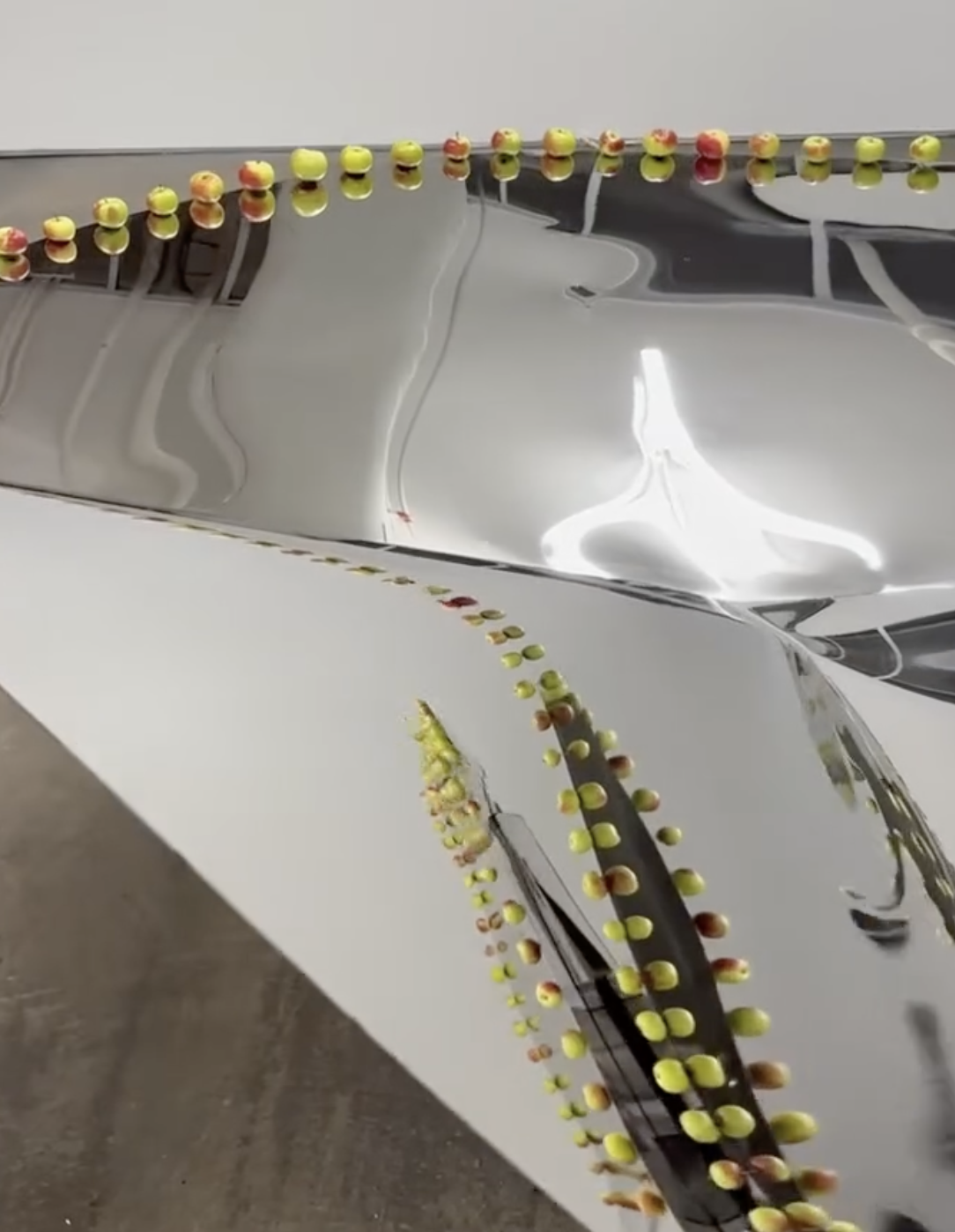
It’s always a fulfilling moment for us to watch the piece come to life, especially once people begin to interact with it. One of the clearest examples was during our last motorized stainless steel sculpture, ‘1 Apple’. At first, people gathered just to look at it. Within an hour, some began eating the apples, and two hours later, nearly everyone in the room had eaten at least one. They also started placing the apples back onto the piece, collectively creating a half-eaten, ever-changing sculpture. It’s in those beautiful moments, when food becomes a universal language spoken without words, when our work feels the most alive.
PA: Your practice lives in between disciplines: part ritual, part design, part activism. How do you think this kind of hybrid work fits into the art world today?
A: We are continuously showing in exhibitions both in design and art, working on collections from a sculptural approach to utilitarian design. It’s kind of an experimental phase of trying out different mediums but with the same narrative/concept around food and our relationship with it.
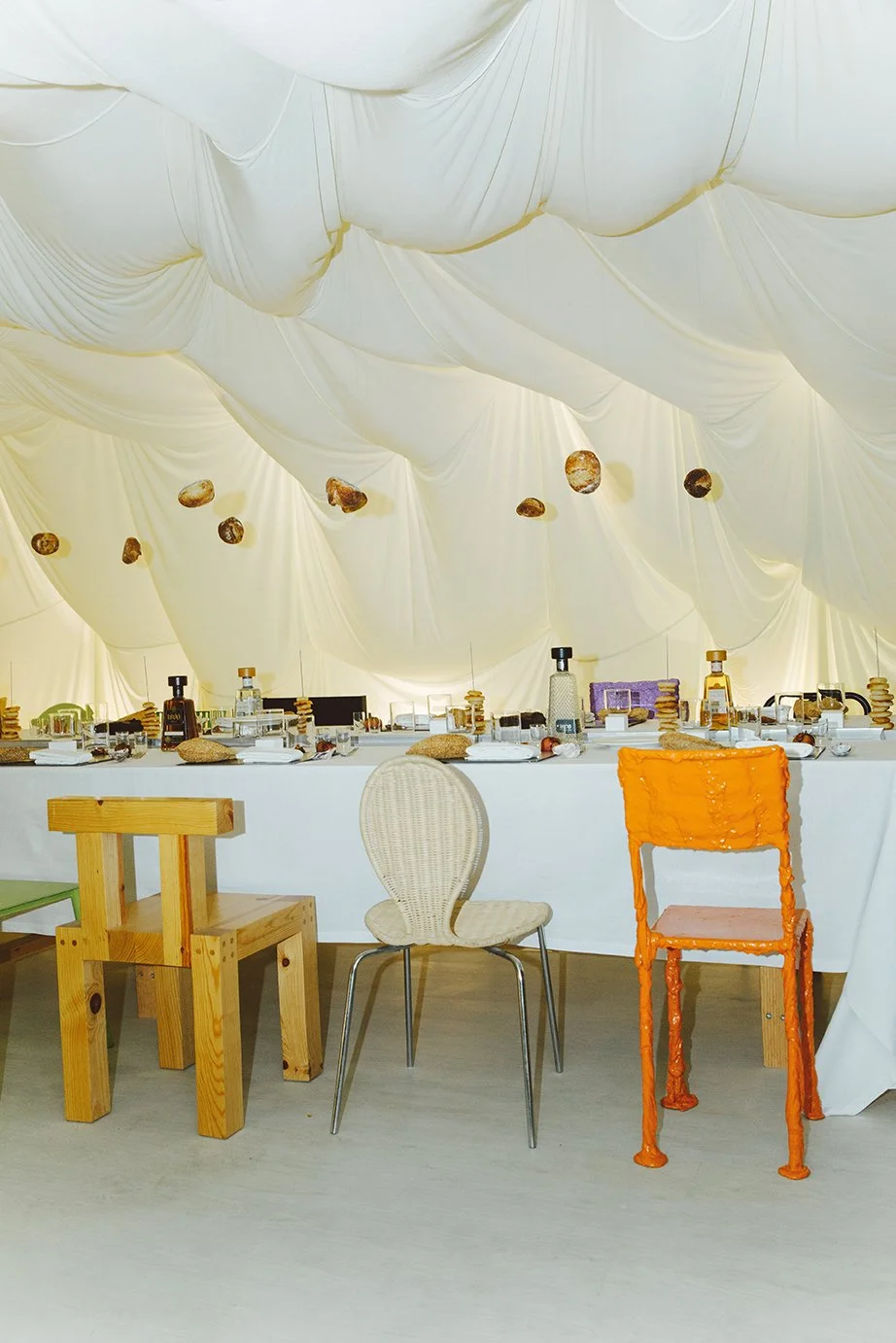
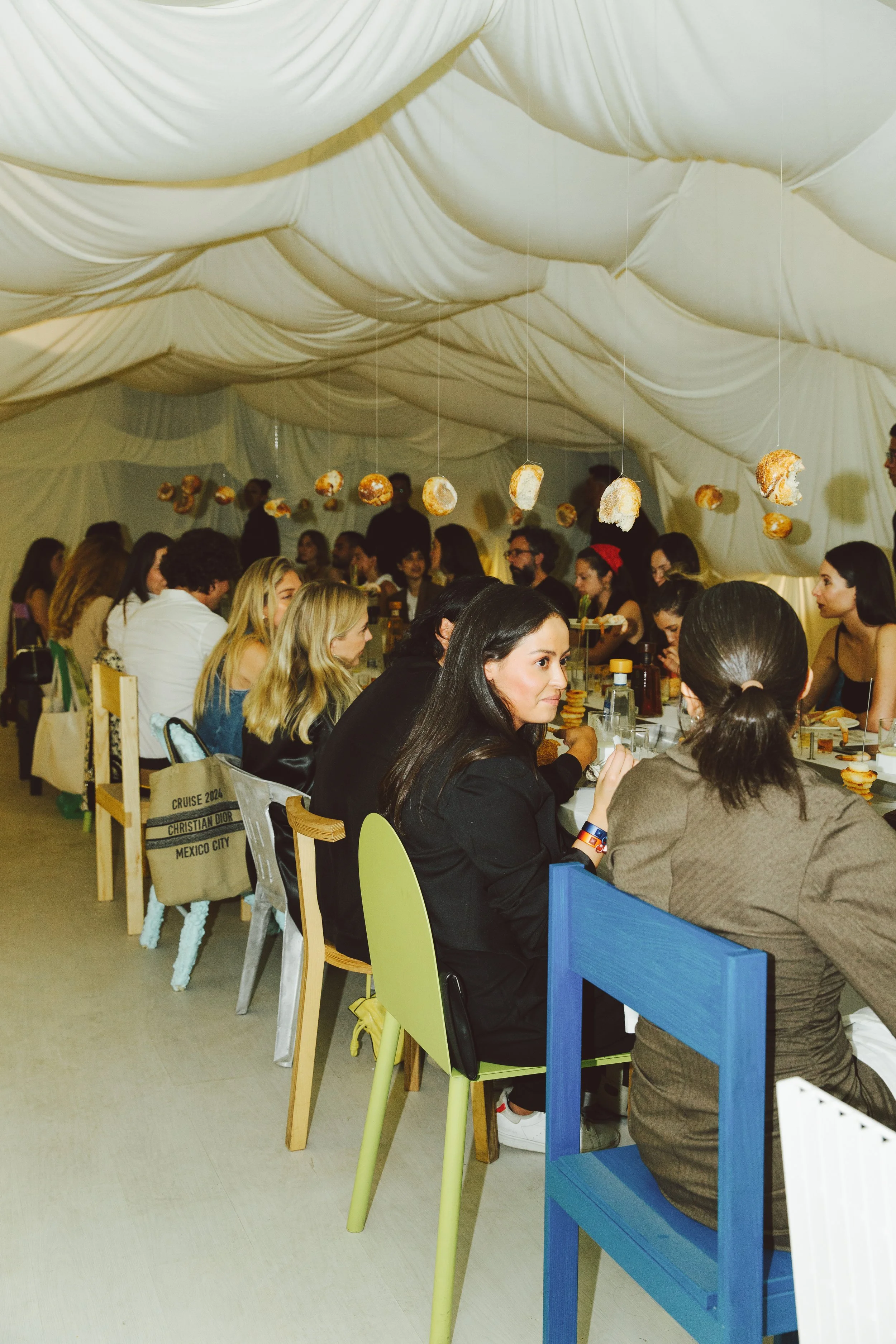
PA: What does it mean to show up for your community right now, especially in LA, with everything happening around ICE and the broader immigration crisis? Has that shaped your work or perspective lately?
A: I’m deeply disappointed by the fear imposed in our community, especially within the food industry. As a Mexican and a border resident, I’ve experienced from an early age the dehumanizing process of trying to legalize your status and try to simply do things right in this country. Aware of our luck and privilege, we support our Mexican collaborators by recognizing their work and talent, so they can thrive without fear.
PA: You’ve collaborated with fashion and beauty brands as well as working independently. What feels different, or maybe more challenging, when you’re creating something for a client versus something self-initiated?
A: I think it’s so much harder designing for ourselves because we will go on and on adjusting, tweaking, changing, giving each other notes, starting all over again then second guessing it and bringing it to life, then hating it and starting again. With clients we have specific deadlines and clear expectations and we deliver promptly, but I try to give a deadline to us in the form of either a design fair or ideal launch date and push for that, otherwise we’ll go on forever.
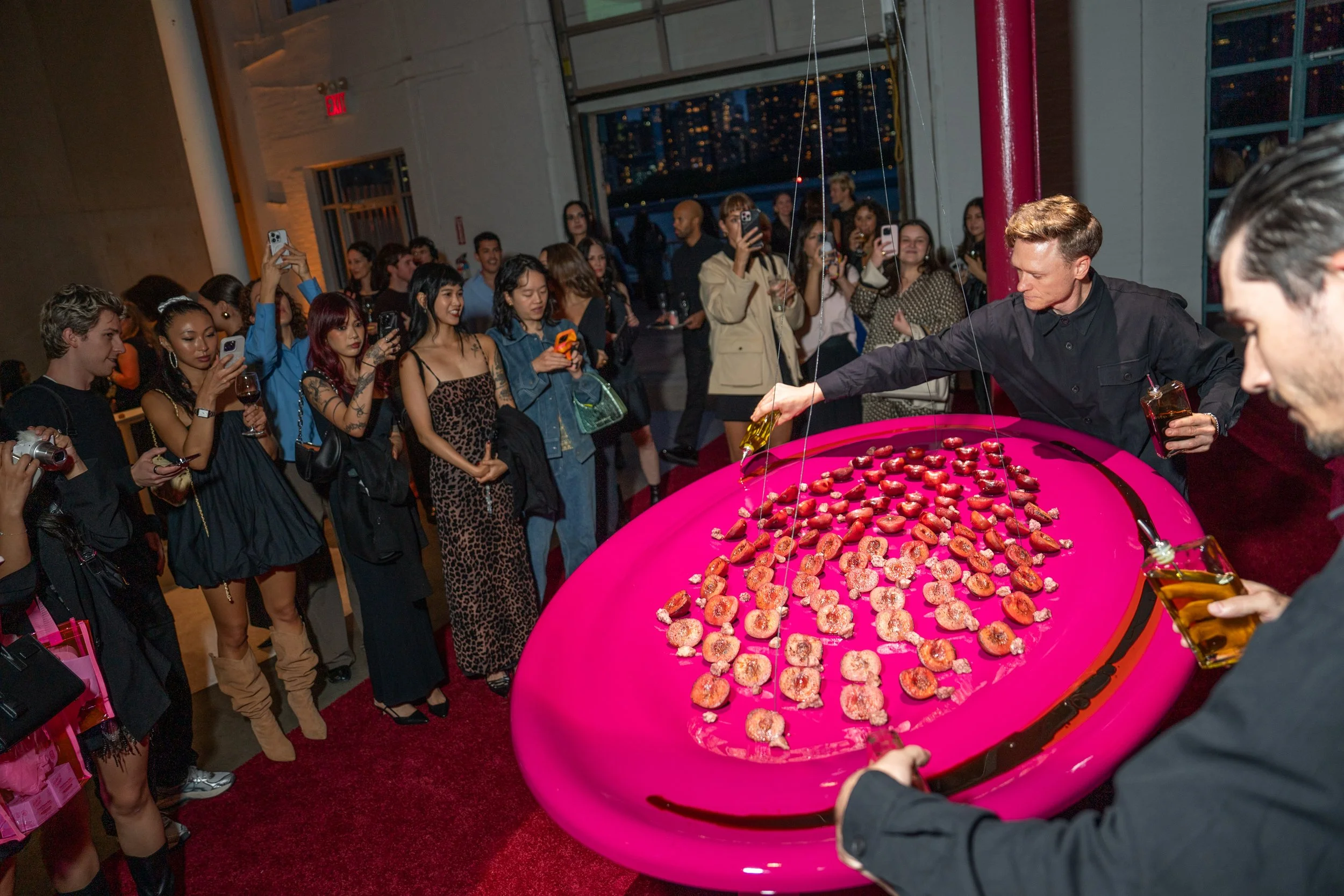
PA: If you could dream up a collaboration with anyone or anything, what’s on the fantasy list? A brand, an artist, a material, a space?
A: We would love to start designing public installations in the near future. Having the opportunity to democratize food performances to people outside the art & design. The interactive experiences we create are usually for a very specific audience. We get more and more excited every time people from different industries express the way they feel about food art.
PA: Can you give us your current top 5 food spots, 3 go-tos for drinks, and 2 favorite places for coffee? (Anywhere in the world).
A: This is a hard one but I’ll say what first comes to mind!
Food: Yess (LA), Voodoo Vin (LA), St John (London), Trattoria Da Ettore (Napoli), Asturianos (Madrid) Mi Compa Chava (Mexico City)
Drink: Bar Nino (Mexico City), Eel Bar (NYC), Bird (Copenhagen)
Coffee: El Minutito (Mexico City), Maru (LA)
PA: What’s one sensory moment (a taste, a smell, a texture) that you’ve recently rediscovered?
A: The soft and spongy texture of a perfectly cooked heart of a lamb at Bobe restaurant in Copenhagen. I personally love food textures that are designed to absorb juices and last longer in your mouth.