
Tumbao: an ode to Latin America
Driven by community, Tumbao transforms fashion into storytelling, collaboration, and a deliberate pause from the mainstream. A story of improvisación, instinct, and building something real from scratch.
We The Cool: Tell us about Tumbao. What was the original vision, and how has it evolved since?
Tumbao: Tumbao started in baby steps, as a series of pop-ups rooted in community and experimentation. From the beginning, I was interested in creating spaces that blurred the lines between fashion, art, and gathering. Some of our early events were held in warehouses or apartments and included performance art, music, and food. It was intuitive, sometimes scrappy, but full of intention: to spotlight Latin American designers and create meaningful, emotional experiences around their work.
With each pop-up, I started to see that people were responding deeply to the project—and little by little, I began to believe in Tumbao and in my entrepreneurial instinct more and more. After two years of pop ups, one of the temporary spaces became our permanent store in the Lower East Side.
Since then, Tumbao has evolved into something layered: part retail, part showroom, part cultural space, and now also a media platform. But at its core, it’s still about honoring creative lineage and building something with care—from the ground up.

WTC: When did you first come up with the idea to launch a collective of fashion brands?
T: It actually came about unexpectedly. I had been producing a pop-up for a brand based in Ecuador and had found a gorgeous space for them right after the pandemic—at a moment when prices were unusually low. Once their pop-up ended, the space was still available, and something in me knew I had to keep it. So I quit my jobs and decided to rent it month to month. I didn’t have a clear plan, but I knew I had to do something with it.
Because I had worked in retail for years, I had a strong sense of what the market was missing. And since I had close friends who were designers—many of them not represented in traditional spaces—I started inviting them to showcase and sell their pieces. It was intense, fast, and required a lot of work, but it also happened naturally.
WTC: What do you look for in the brands you carry?
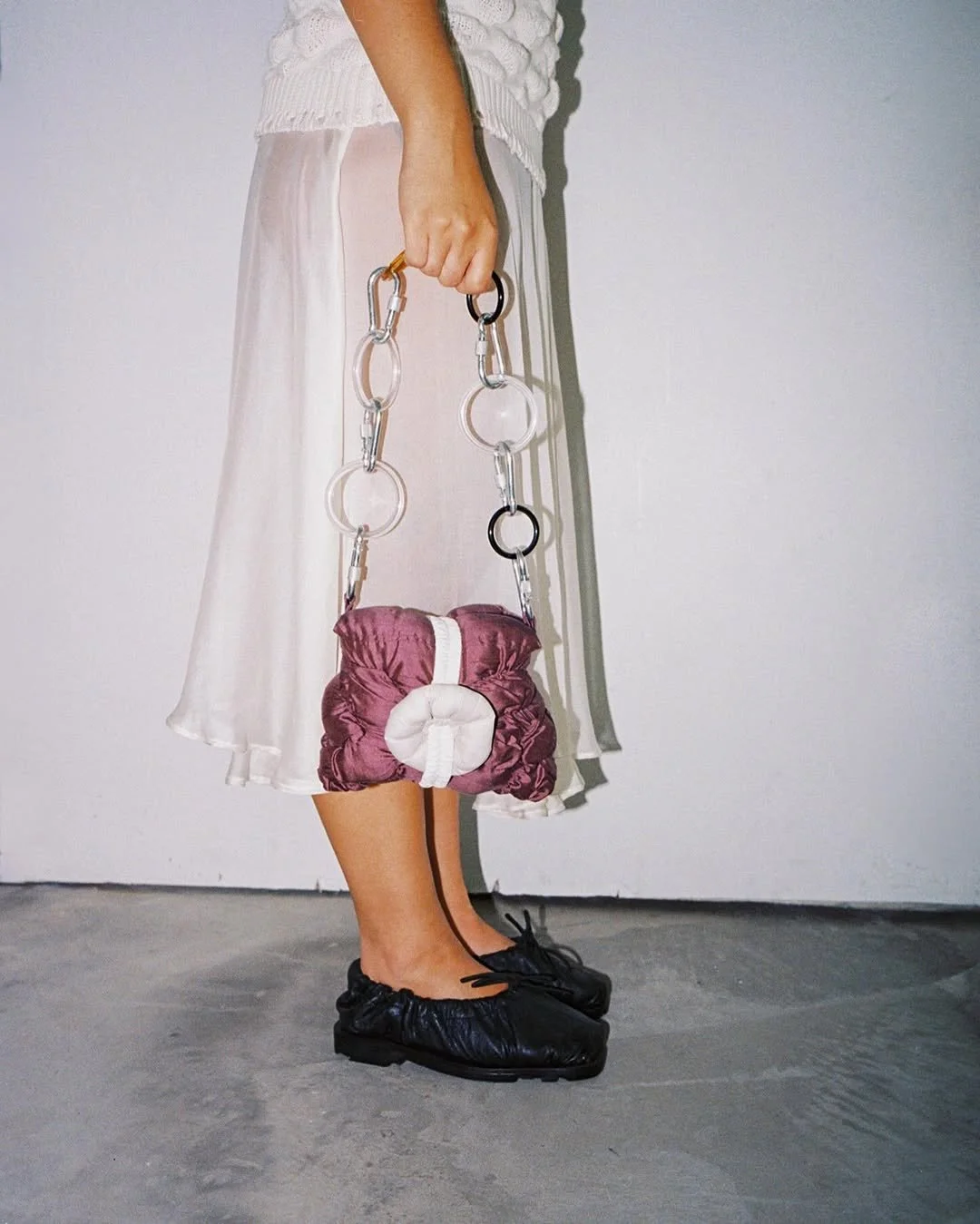
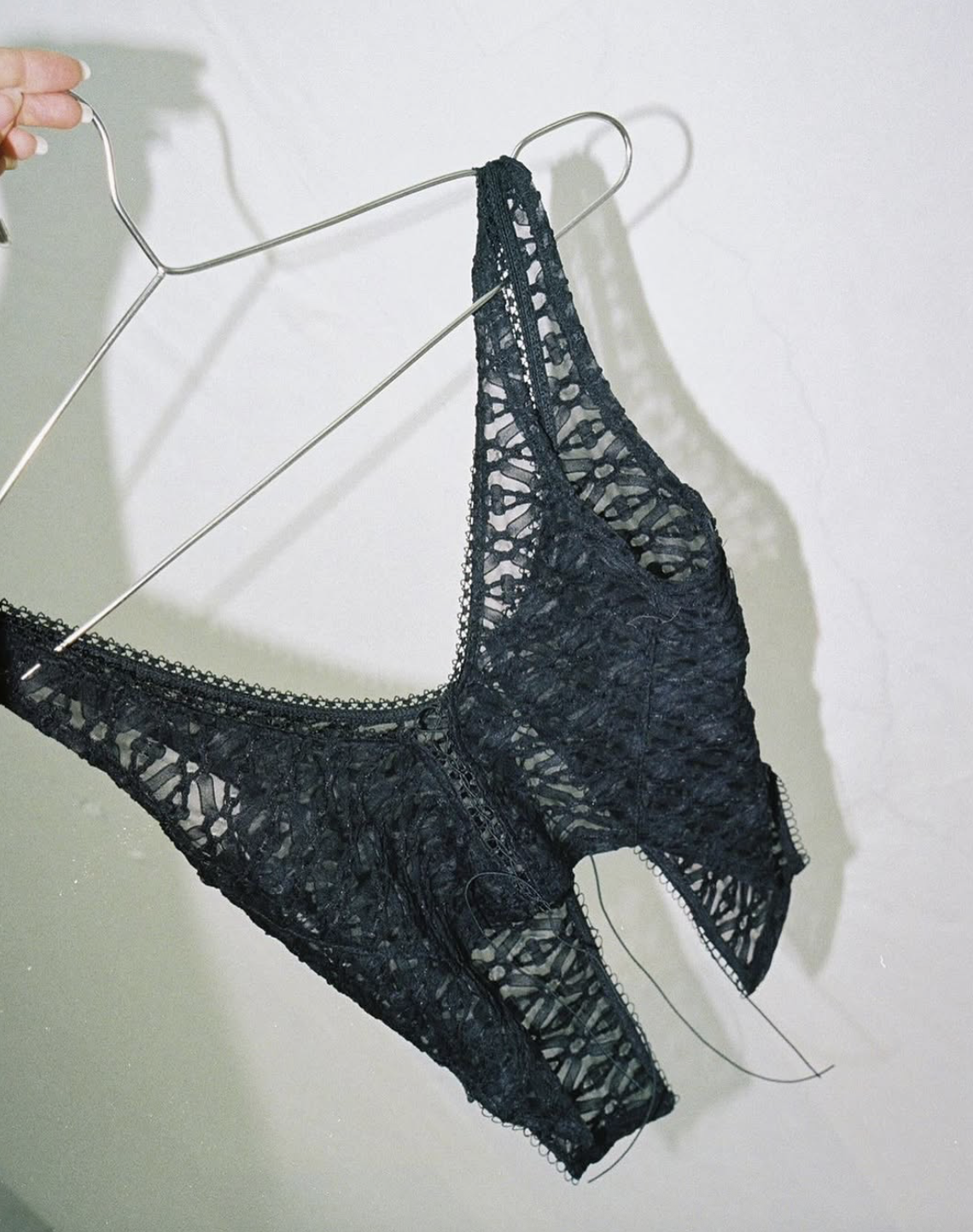
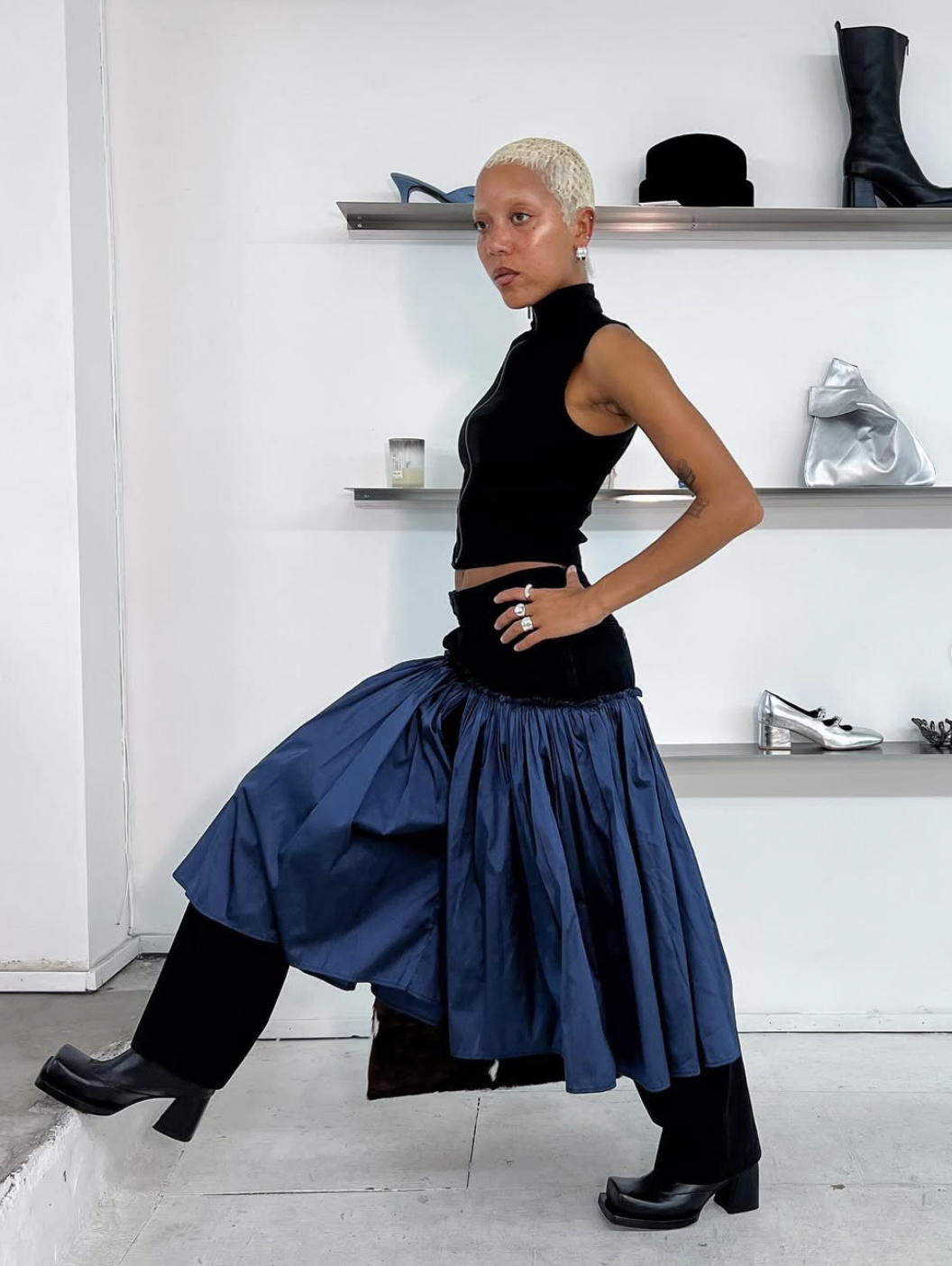
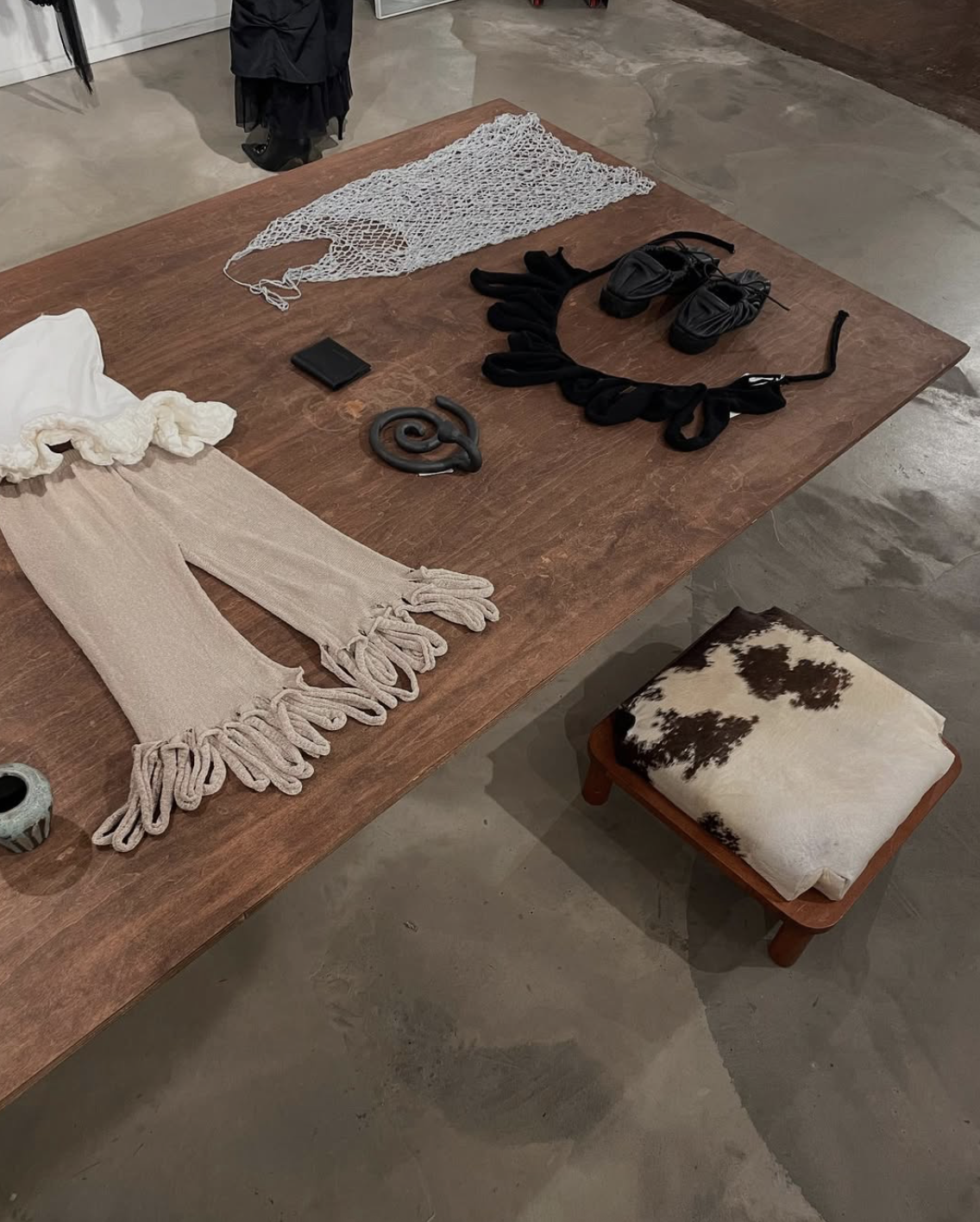
T: I look for work grounded in process, care, and story. Most of the brands I carry aren’t driven by commercial cycles—they create slowly, intentionally, and with integrity. All of them collaborate closely with seamstresses, artisans, or their own families. I’m drawn to designers who have a deep understanding of fashion as language—people who reference art, culture, and history with clarity and intention.
WTC: How do you balance heritage and innovation when selecting pieces?
T: I don’t think they’re opposites. A lot of innovation comes from honoring heritage in new ways. I’m always looking for designers who are in dialogue with where they come from—who use craft, history, or symbolism as a starting point, but aren’t afraid to disrupt or reinterpret. That tension can be really beautiful.
WTC: Tell us about your current space in the Lower East Side. How did you find it? How has it evolved? What have been some of the biggest challenges in having a space in NYC?
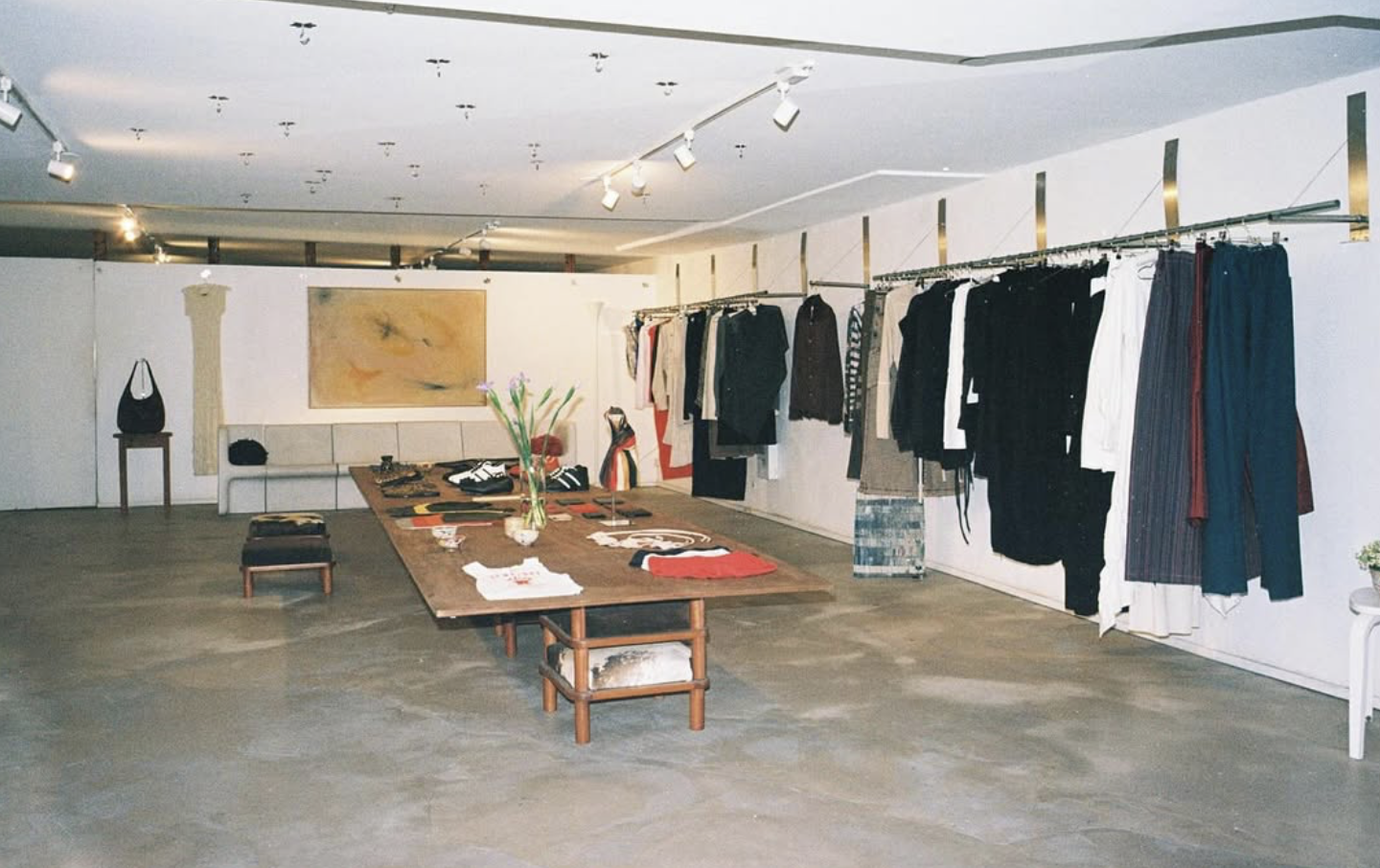
T: The best way to find a space in New York is to walk every block and call the numbers on the signs. Each place has a story, and every landlord or broker leads you to the next one. That’s how I found our current space. It was incredibly run-down, hadn’t been in commercial use for over 15 years, and honestly, it was filthy. But it was huge, and right in the heart of the Lower East Side.
Even though it was technically out of my budget, I got scrappy and found a way to rent it for just one month. That was the plan: a short-term pop-up. But we made enough money that first month to cover the next rent so I asked if we could stay one more month—and then the next, and the next. There was something about the space that just made sense.
Over time, we slowly transformed it—added hooks to make it modular, used it for pop-ups, dinners, performances, and showrooms. One thing led to another, and eventually, it became the permanent home for Tumbao.
The biggest challenge has been balancing creative energy with logistical reality—permits, rent, sound, neighbors. But I don't think the project could have started anywhere other than NYC. New York has that magic where if you're working hard, luck and opportunity eventually strike.
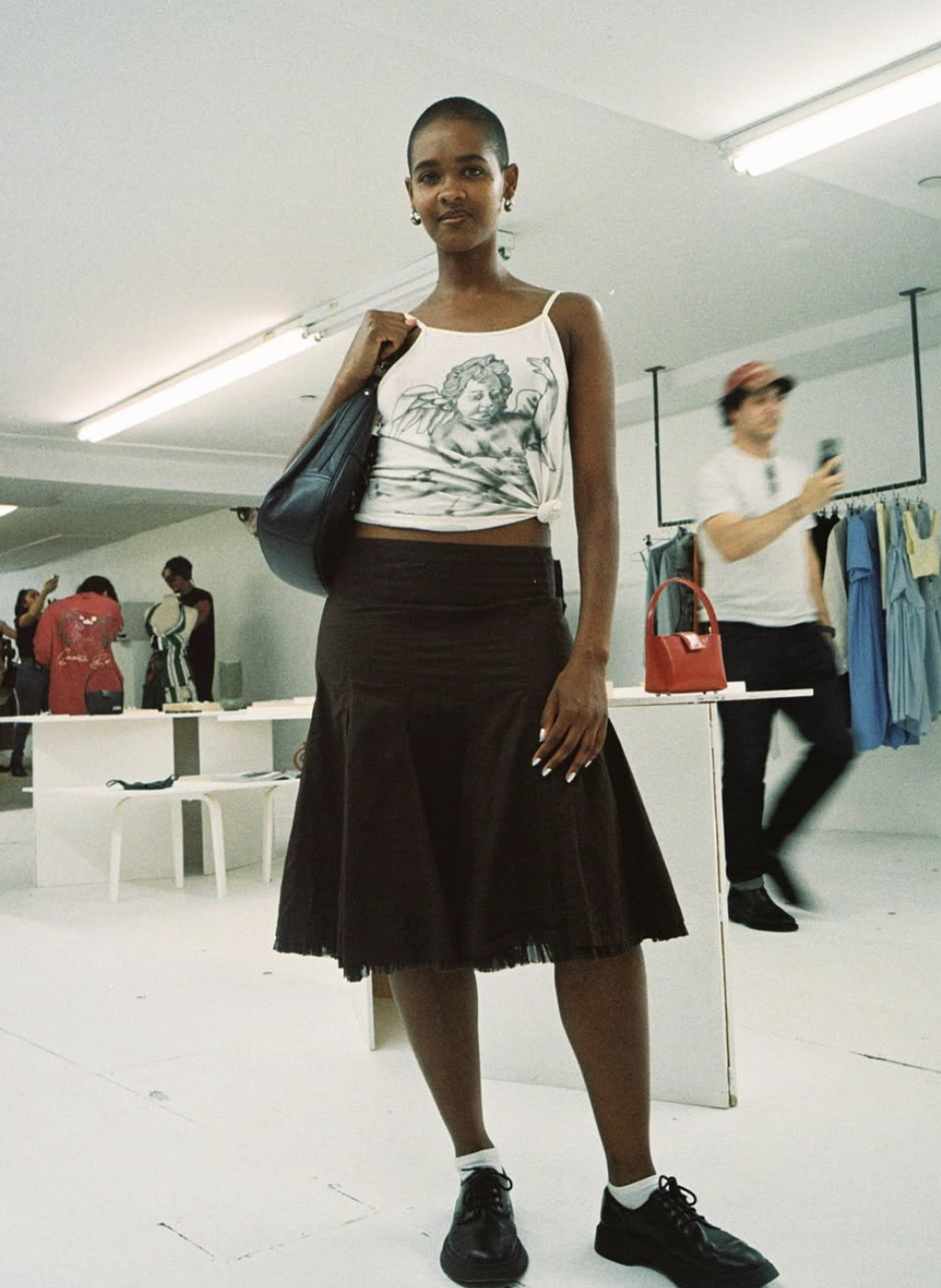
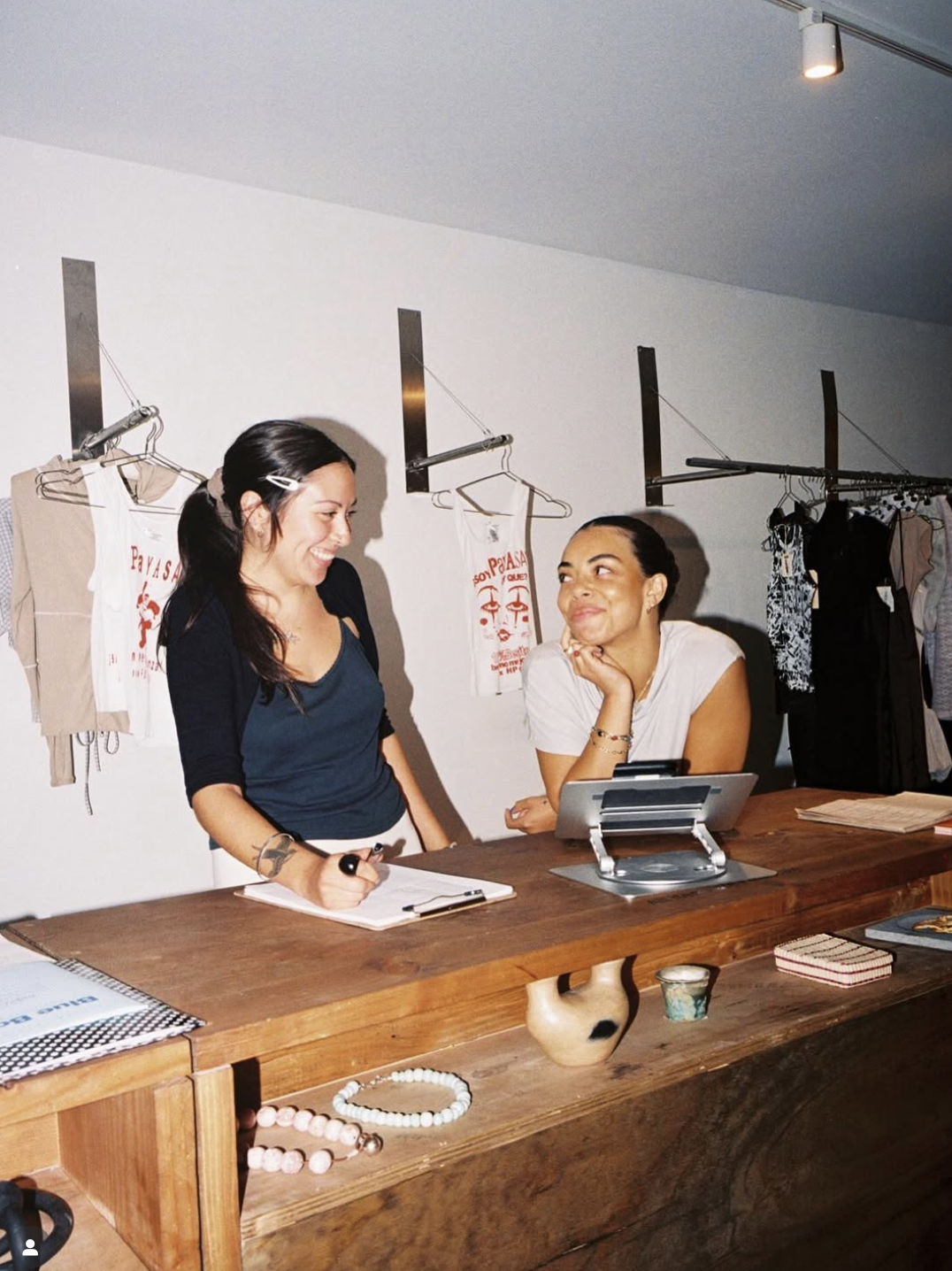
WTC: Tell us about yourself. Who is Valentina, where are you from, where is your family from?
T: I was born and raised in Quito, Ecuador—right in the Andes. My background is in photography, fashion, and storytelling. My whole life I always said I was going to be an artist. My mom is incredibly loving and always encouraged us creatively—she’d have me painting leaves, making things with my hands, constantly exploring. My dad’s an economist, but he supported our creative paths too. Now that I have a business, we even get to talk shop, which has been really special.
I moved to the U.S. to study at art school in Chicago, and later came to New York, where I started working retail to pay the bills. Over time, my background in art blended with a natural entrepreneurial spirit and a deep love for design, fashion, and community. That’s really how Tumbao was born.
My brother shares that same spirit—he’s always had both a creative eye and a strategic mind. This year he officially joined Tumbao, and I couldn’t be more grateful. He understands the project so deeply it’s like he can read my mind. He’s brought so much clarity and strength to the work we’re doing.
Tumbao holds all of that—my family, my history, my process—but it’s also shaped by everyone who contributes to it, I have an amazing team.
WTC: How’s your life in NY? What does a regular day look like for you? Favorite restaurants, cafes, etc.?
T: Monday through Friday, I usually get to the store pretty early—between 8 and 9am—just to have a quiet moment to myself before the day begins. I start with emails, WhatsApp messages, and whatever needs immediate attention. Now that we have a team, I don’t have to be on the floor every day, which is a huge shift. Once the store opens, it’s hard for me to focus, so I usually head home to tackle meetings and computer work in a more focused environment.
On weekends, though, I’m at the store all day. It’s where I get the most valuable feedback—just watching how people move through the space, what they gravitate toward, how they talk about the pieces. It’s its own kind of research. Tumbao has taken over my life in the best way these past few years. But I’m lucky—it’s a career that involves people, community, events, even dancing. It rarely feels like work.
And I really love the neighborhood. When I need a break, I’ll walk to Metrograph to catch a film or just take a loop around the block. So many of the stores nearby feel like museums—Desert Vintage is a favorite. I love watching kids or the ping pong games at Seward Park. I stop by Sammy’s to drop off film, grab a tuna wrap from Dimes Deli, bubble tea from Hawa. I miss Chop Suey and Cheeky’s though.
WTC: If it’s not Tumbao, where do you shop?
T: Mostly on Instagram—especially vintage accounts that sell directly through Stories. I love the spontaneity of it, and I like buying from people with great taste who curate in their own unique way.
WTC: Congrats on your new podcast. What inspired the project?
T: So many beautiful, complex conversations were already happening around Tumbao—before store hours, during fittings, at events. I wanted a way to document those moments. The podcast felt like a natural extension of everything we were already doing. It’s not just a promotional platform—it’s a space for reflection, for honoring the people and processes behind the work.
WTC: What conversations did you feel were missing in the fashion and cultural space?
T: Conversations that hold contradiction. That move slowly. That don’t assume the audience needs to be convinced or sold something. I think we often reduce creative people to either trendsetters or activists—but most of us are just trying to build lives that feel true. I wanted to make space for that.
WTC: What kinds of stories or voices are you most excited to amplify through the podcast?
T: Voices that feel grounded. People who are doing thoughtful work, even if it’s not loud or Instagram-friendly. I’m especially excited about people who are navigating the industry from the margins—with humor, complexity, or contradiction. The stories I gravitate toward often come from places of tension, transition, or tenderness.
WTC: With our context, how do you approach the challenge of representing Latin America in the U.S.?
T: I try to be honest about the fact that Latin America is not a monolith. It’s layered, fractured, joyful, painful, diasporic, contradictory. At Tumbao we don’t try to define what it means to be “Latin American”—we try to create space for the complexity to breathe. That means holding nuance, asking questions, and amplifying voices that challenge fixed narratives.
WTC: What does “Latin American” mean to you beyond geography?
T: Being Latin American is a way of moving through the world that’s relational, creative, and deeply adaptive. It’s the way we all come from different countries and still strike up a conversation instantly, feel comfortable instantly. How we all know the same reggaetón songs—or the same corta vena heartbreak ballads.
To me, it’s about rhythm. About inheritance and rupture. It’s how we carry both the violence and the beauty in our histories, and turn that into music, food, style, humor, resilience. It’s also about language—not just spoken, but visual and sonic too. I feel incredibly lucky to feel welcome almost anywhere, because there are Latinos all over the world—and we always find ways to recognize and connect with each other.
WTC: Where do you see Tumbao heading next?
T: I think Tumbao will keep expanding as a platform. More editorial work, more publishing, more video. I’d love to eventually have a residency program, or a space outside of New York where we can gather, cook, research. I don’t think of Tumbao as a brand—it’s more like an evolving archive. I want to keep building that.
WTC: Our current issue is about “Rebirth.” What does this concept mean to you? What comes to mind when you hear this word?
I think of iteration and creativity. Every day, I feel like I’m birthing new versions of Tumbao. I feel so lucky that the universe placed things along my path that led me to this project—something that feels so aligned with who I am, something that gave me purpose. Once you find your thing, you can’t stop—the ideas, the excitement, the inspiration—it all flows like a powerful river. Tumbao has also helped me experience my own rebirth. It showed me that I’m not just creative—I’m strong, intuitive, and capable of running a business. It pushed me to become a leader, and in doing so, it surfaced parts of me I didn’t know were there. I’ve had to face insecurities, build confidence, and grow into the role.
Now, I feel ready for another kind of rebirth—one toward balance. I want to continue working hard, but I don’t want work to consume me. I want to care for myself with the same intention I’ve poured into this project.
WTC: Is there a moment in Tumbao’s journey that felt like starting over?
T: Yes, many. After our first big pop-up, after moving into the store, after every renovation, after certain relationships ended. But I’ve learned that starting over isn’t failure—it’s integration. It’s when you realize the vision is bigger than you thought, and you choose to meet it again, with more clarity and softness.