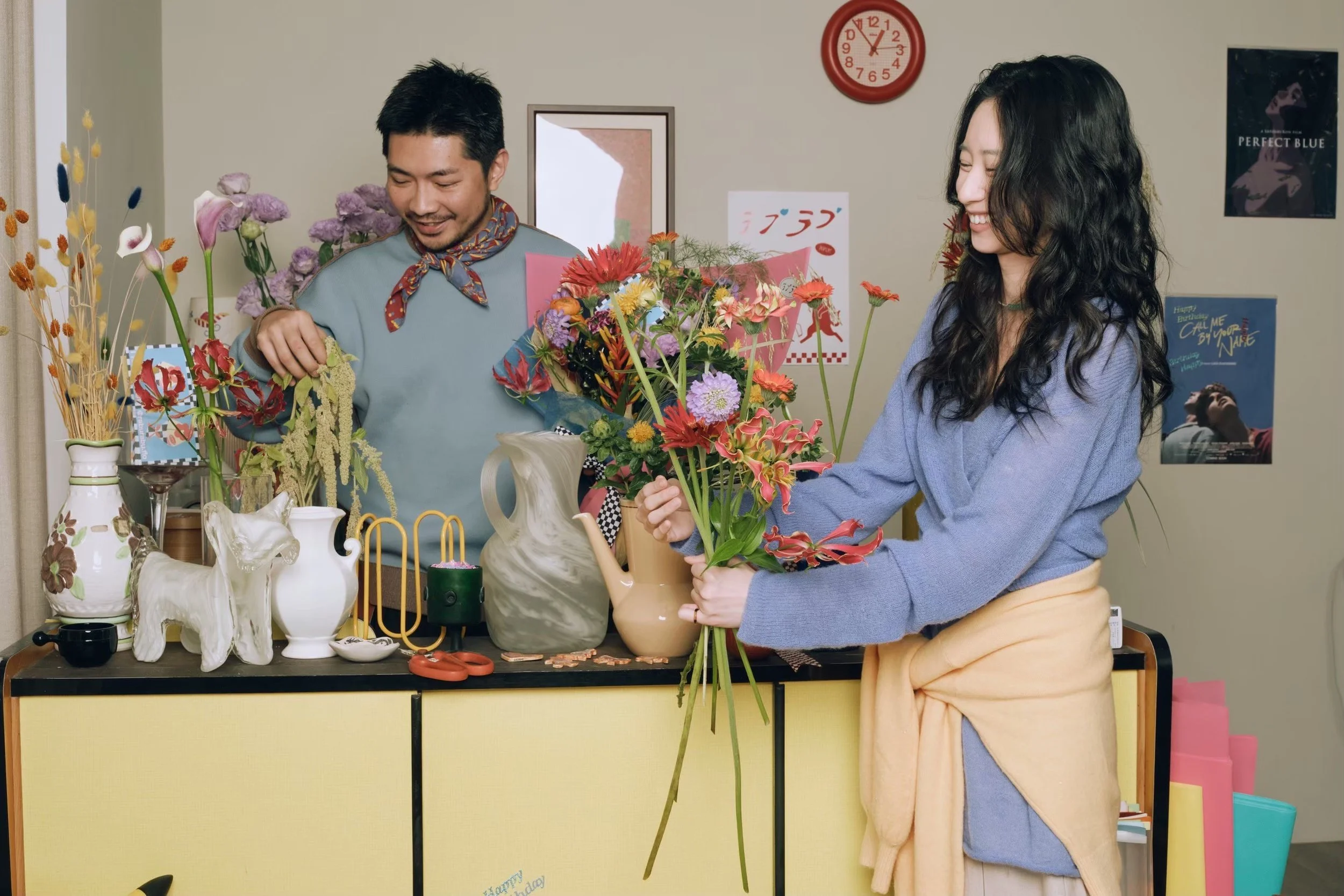
What Flowers Leave Behind
Raburabu begins with something simple: the feeling of receiving flowers.
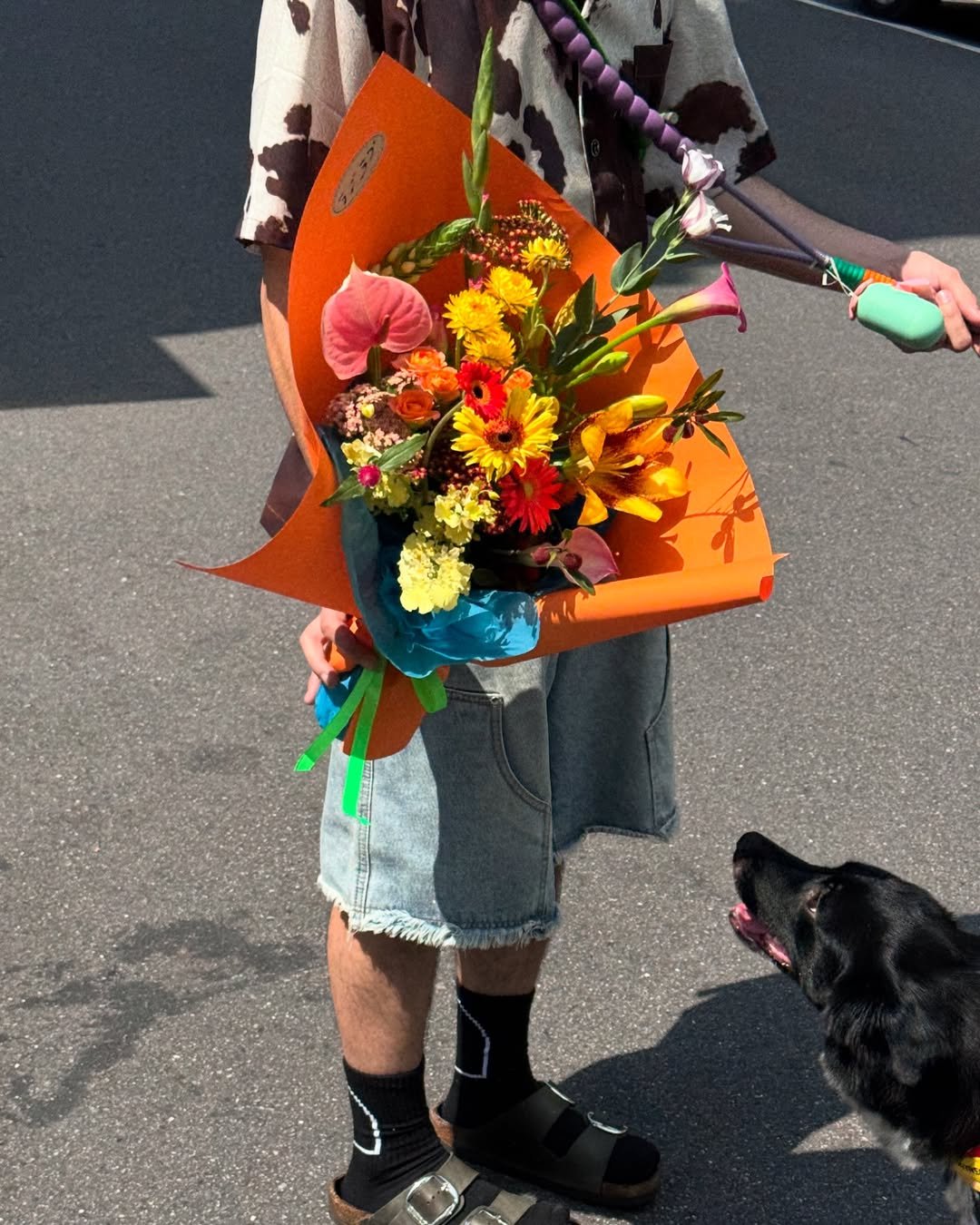
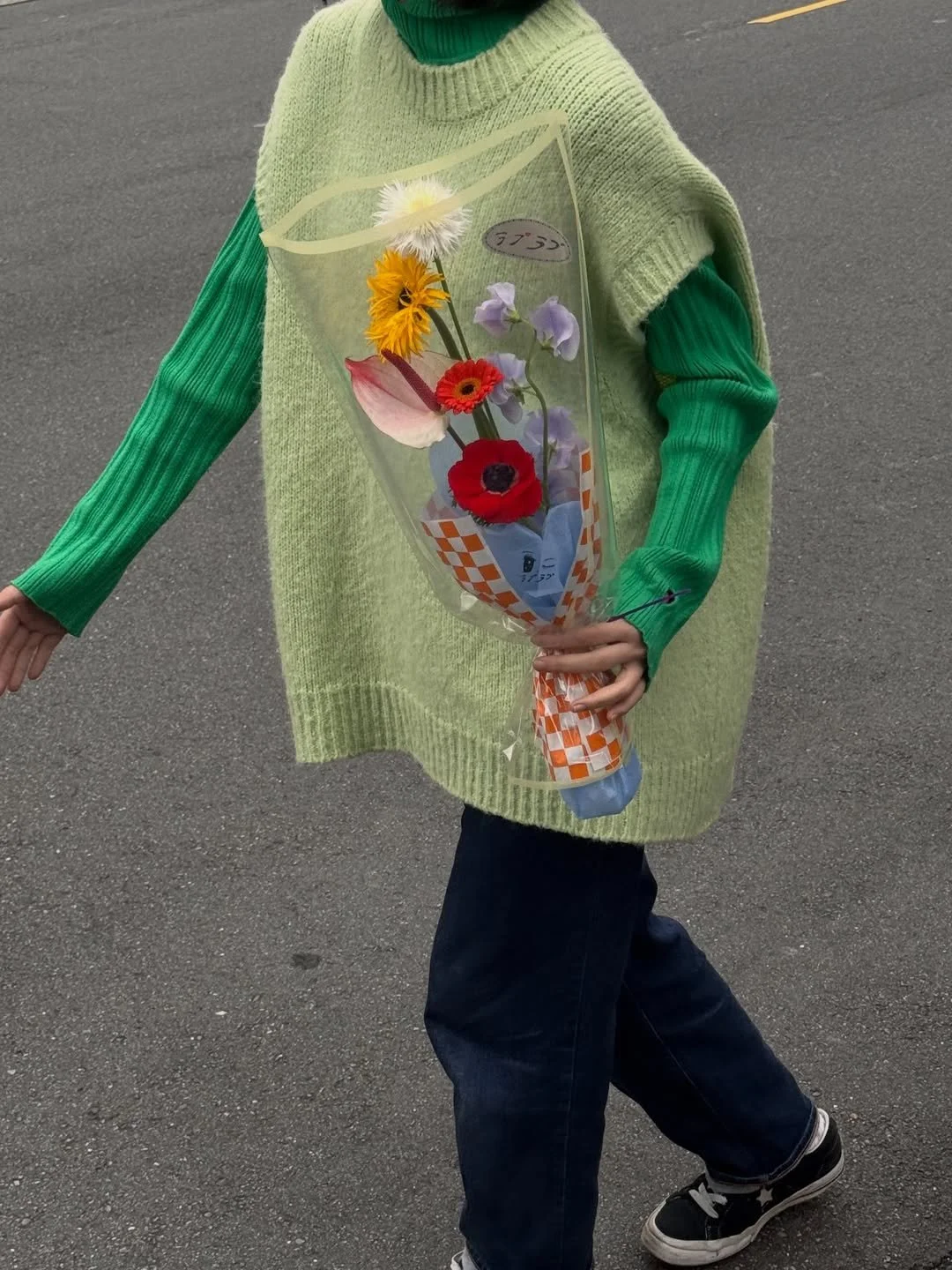
Founded by Shan Shan in Taipei, the studio is built around that fleeting moment. The quickened heartbeat, the quiet excitement, the sense of being thought of. Through carefully selected blooms and an intuitive approach to arrangement, Raburabu transforms flowers into something more than a gift: a gesture of love that lingers beyond its time.
In a world that moves quickly, Raburabu returns to the beauty of giving, the softness of presence, and the idea that even the most temporary things can stay with us.
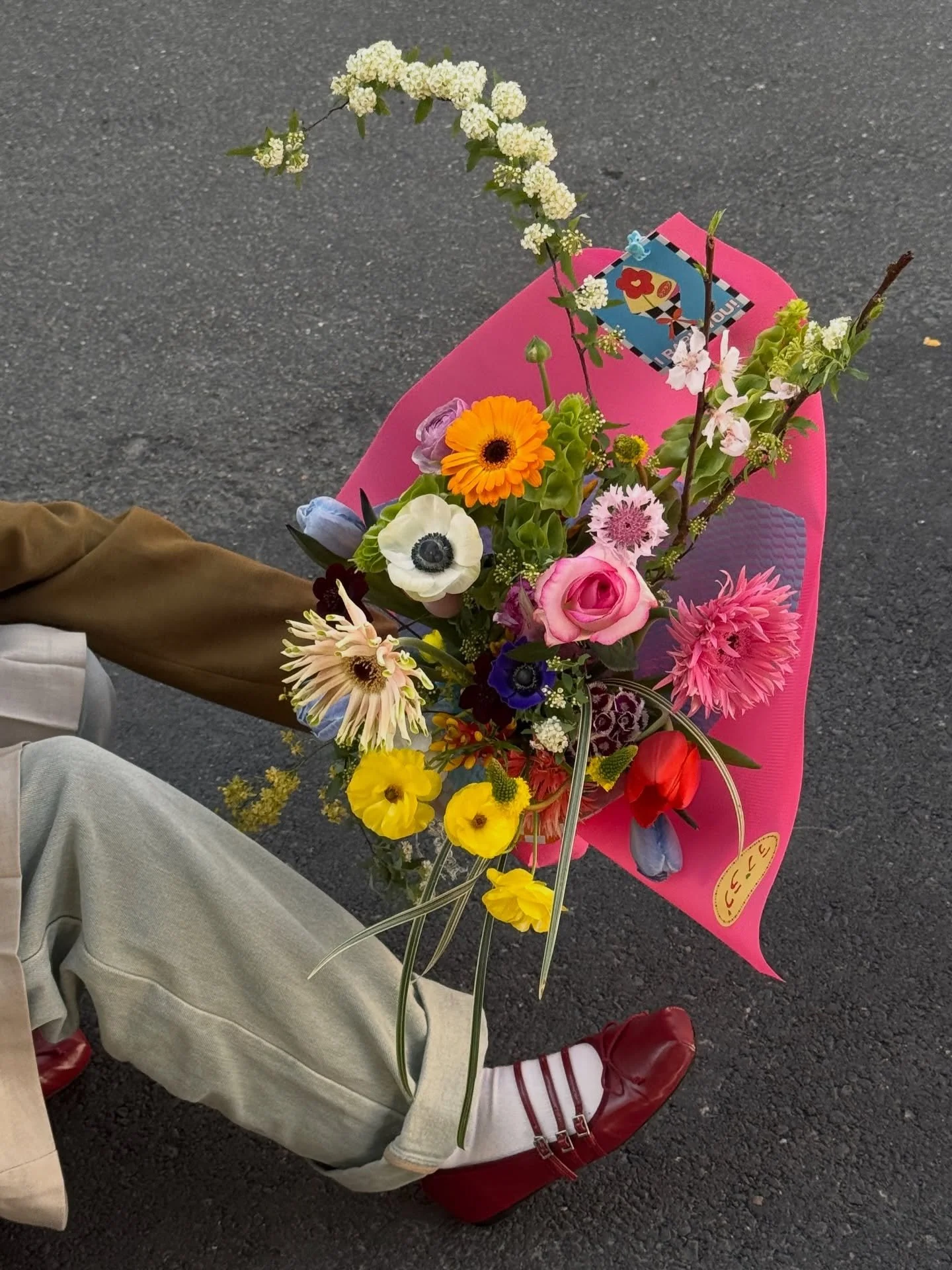
We The Cool: How did Raburabu begin, and what was the original impulse behind working with flowers?
Shan Shan: Raburabu began from a simple but powerful feeling — the moment when you receive flowers and your heart beats a little faster. We believe receiving flowers feels a little like falling in love. It’s that small but unforgettable excitement that stays with you. I wanted to create something that allows people to experience and share that feeling more often in everyday life.
WTC: What’s the story behind the name Raburabu?
SS: In Japanese, “ラブラブ (raburabu)” expresses the sweet and affectionate state of being in love. When pronounced in English, it sounds like R-A-B-U-R-A-B-U. I was drawn to the playful sound of it. It feels direct, joyful, and a little bold — just like the way we approach love. The name captures the emotional energy we want every bouquet to carry.
WTC: Who is behind this project? Tell us about yourself.
SS: I’m Shan Shan, the founder and executive director of Raburabu. Instagram : sshanhsieh My personal account also collaborates with fashion brands on styling and campaign projects. I oversee the entire studio — creative direction, floral design, packaging, illustration, social media, customer service, marketing campaigns, and daily operations. In an independent flower brand, everything is interconnected, so I’m involved in every detail. Raburabu was founded together with my co-founder, Yuan. @yuanyuanyuan.yyy We work closely on creative discussions and idea development, and those conversations often help the brand grow stronger and more refined. We are both from Taiwan, and our studio is located in Da’an District, Taipei. A typical day starts around 8 a.m. at the wholesale flower market. Every flower is hand-selected by us, which gives us strong confidence in the quality of our work. After preparing the flowers, we move into production and shipping throughout the day. At the same time, I’m constantly creating content and thinking about new ideas and future campaigns.
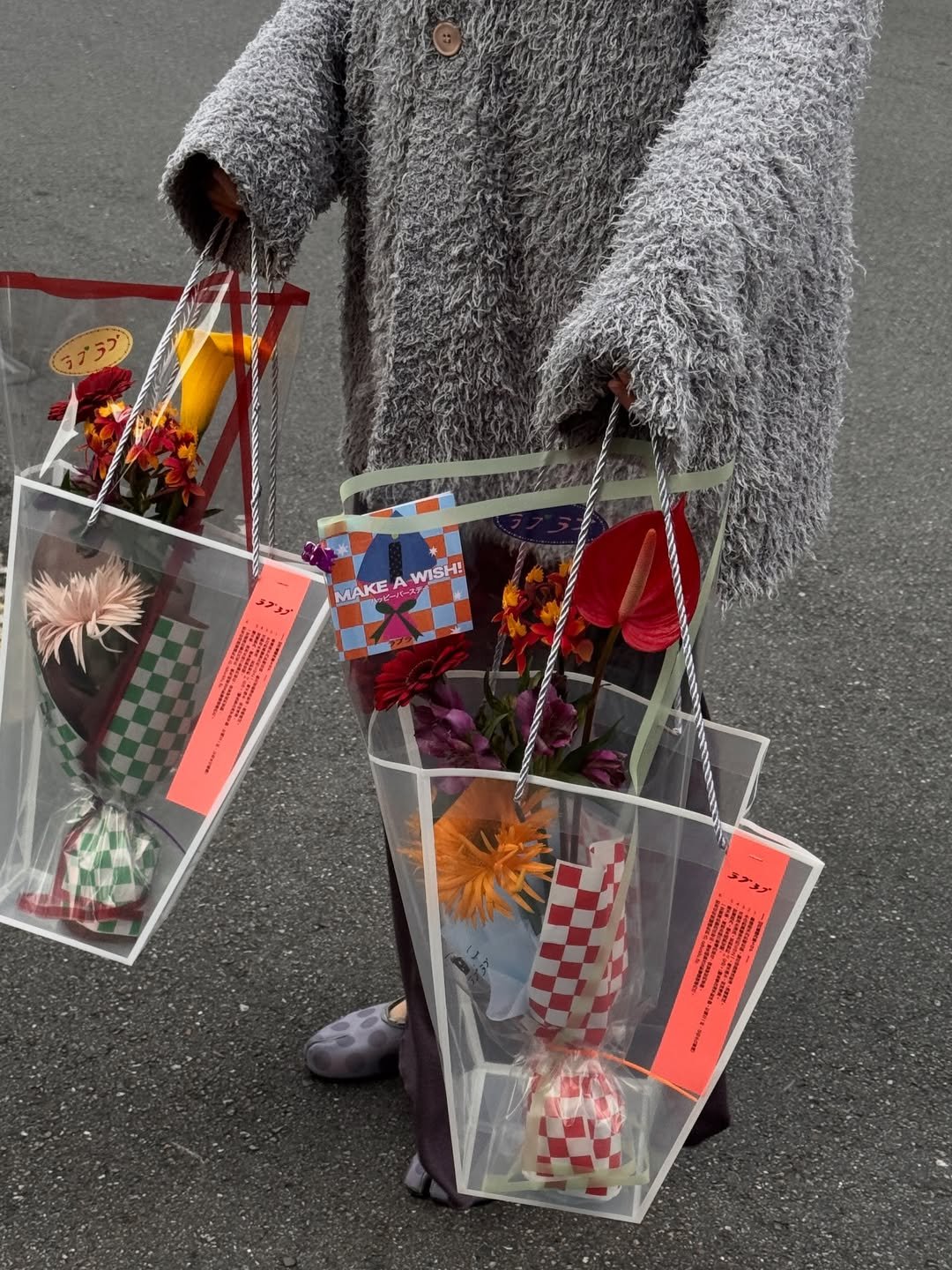
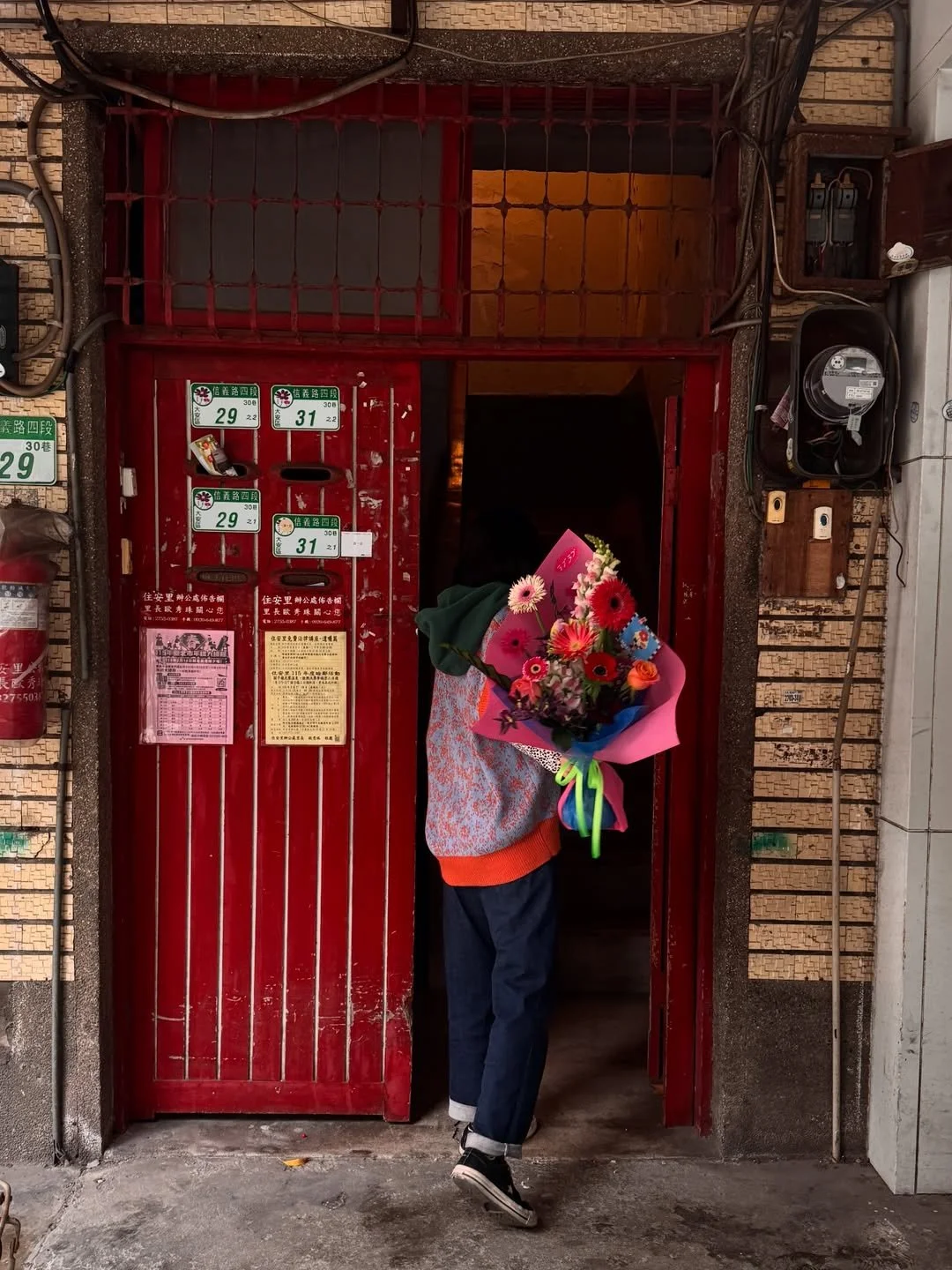
WTC: Why flowers? What do they allow you to express that other mediums don’t?
SS: Flowers are alive, and that changes everything. Giving flowers is one of the most thoughtful gestures. Unlike many physical objects, flowers don’t become a burden — they are temporary. They will fade, but the emotional memory of receiving them can last forever. That contrast between impermanence and lasting feeling makes flowers uniquely powerful.
WTC: How was it to start a business around flowers? What were the main challenges?
SS: The biggest challenge has been time. Flowers are perishable, and everything moves quickly. Managing creativity while handling operations requires constant attention and stamina. Balancing both sides has been the most demanding part of building the brand.
WTC: Where do you usually find inspiration?
SS: Fashion, contemporary styling, and observing people in daily life. I briefly studied landscape design and later majored in Graphic Communication of Art at National Taiwan University of Arts. Since university, I have worked in different flower shops, so plants, visual composition, and material textures have always been part of my creative language. I’m especially interested in how floral design can integrate with personal style — almost like dressing a person.
WTC: Is there a ritual or routine you return to before creating an arrangement?
SS: I don’t sketch beforehand, and I don’t define exactly what an arrangement should look like. I trust the intuition and hand-feel I’ve developed over years of practice. Each bouquet grows organically in the process of making it. That openness keeps every piece unique.
WTC: Is there a particular flower that feels like a “core” flower for Raburabu?
SS: Gerbera. In Taiwan, gerberas are widely available in many varieties. Their petals come in different shapes, and their colors are bright and expressive. They are not limited by strict seasons, which allows us to confidently use them throughout the year. More importantly, gerberas carry an energetic and optimistic presence. They feel youthful and full of life, which aligns closely with Raburabu’s spirit.
WTC: What’s the most personal arrangement you’ve ever made?
SS: At Raburabu, every bouquet is created for someone else’s story. Because of our customers, I’m able to create. Each arrangement represents their emotions and is meant to speak to their loved ones. I rarely place too much of my own personal emotions directly into the work. However, I only send out arrangements that make my own heart move first. If I don’t genuinely love it, it won’t leave the studio. For a more personal expression of my floral work, I have another account, @_ofsand. OF SAND is quieter and more introspective — it reflects a more private side of my creative world.
WTC: What’s one request or order that surprised you the most?
SS: There was one birthday that stood out. On the same day, a woman received three different bouquets made by us — one from a man pursuing her, one from her best friend, and one from her ex-boyfriend. She had previously shared our work, and apparently it left an impression on people who still cared about her. It was unexpected, but it showed how flowers can exist within many forms of love at the same time.
WTC: This issue is about “Back to Basics.” What does this concept mean to you?
SS: To me, it means being clear about why I started. I chose this profession because I genuinely love flowers. I want to share the experience of having flowers in daily life and allow more people to feel nature’s joy. At the same time, I choose to present flowers in a modern and fashionable way. I don’t see flowers as something that only belong in gardens. I want them to integrate into everyday styling — almost like an accessory. Raburabu is not just a flower shop. It is a way of expressing love and a lifestyle perspective.
WTC: When life feels overwhelming, what does “going back to basics” look like for you personally?
SS: It begins with slowing down and returning home. In the morning, before brushing my teeth, I look at the flowers in my space. Even if I’m rushing out the door, I take a brief moment to notice them. That quiet interaction stays with me throughout the day. When I come home at night, the flowers are still there. Returning to what I genuinely love helps me reset and continue creating meaning for others.
WTC: Where do you see Raburabu going in the next year or two?
SS: In a relatively short time, we have gained supporters from different parts of the world, which I’m deeply grateful for. In the next one to two years, I hope Raburabu can expand its influence across Asia — becoming widely recognized as the cutest flower brand and a true symbol of expressing love.